
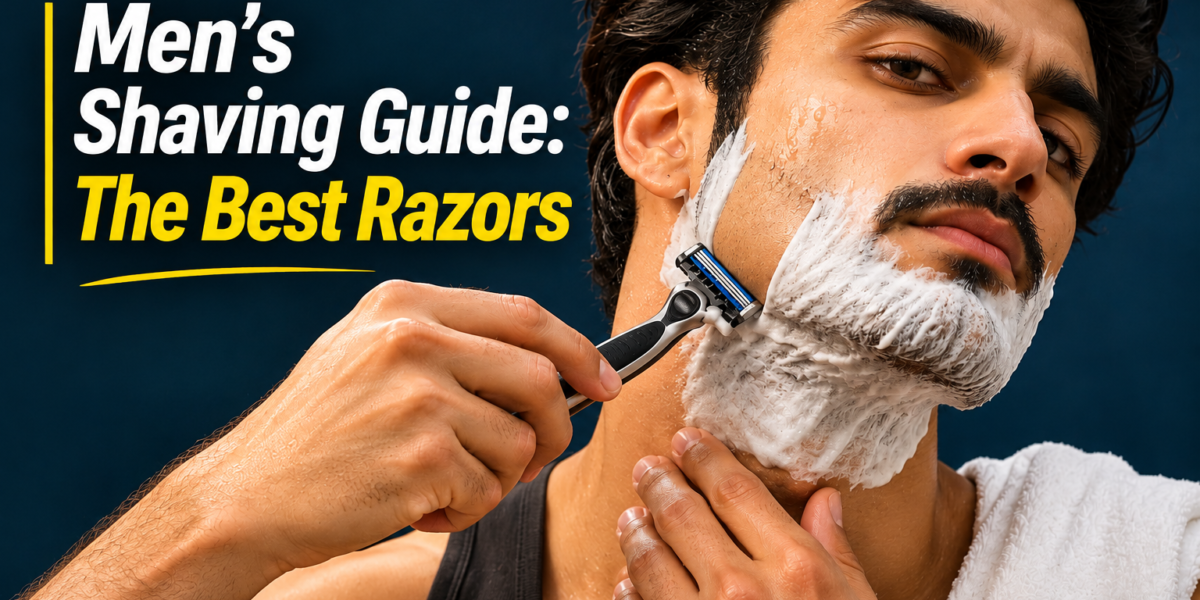

Quick answer: To shave your face well, soften the beard with warm water, spread on a cushioning cream, and shave in short strokes with the grain using a sharp blade. Rinse with cold water and finish with an alcohol-free balm. The prep and the order matter more than the razor you own.
Most men were never actually taught how to shave. They copied a parent, grabbed whatever razor was in the cabinet, and worked the rest out through nicks and razor burn. After eight years around men’s grooming the pattern is clear: a smooth, irritation-free shave comes from the method, not the gear. Soften the hair, protect the skin, cut with the grain, and the blade almost looks after itself.
Below is the complete process, from prep to aftercare, step by step, plus the direction to shave, how to handle sensitive skin, and the mistakes that cause most irritation. Each tool and problem links to a dedicated deep-dive, so you can go further wherever you need to.
What You Need?
Three things do the real work: a razor that suits your skin, something to cushion the blade, and warm water. The razor is the biggest decision, and it comes down to type.

- Cartridge razor: the easy default, with a pivoting head, multiple blades and almost no learning curve.
- Safety razor: a single blade gives the closest shave for the lowest running cost, and choosing the best safety razor comes down to the handle’s aggression and how well your skin takes a close pass.
- Electric shaver: fast and forgiving on reactive skin, where the best electric razor for men splits into foil for closeness and rotary for contours.
- Head shaver: shaving your scalp is a different job, and the best head shaver for men is shaped to reach the back of your skull rather than your face.
For lather, a cushioning cream beats canned foam every time, and the best shaving creams range from fragrance-free formulas for sensitive skin to dense lathers for a coarse beard. A brush is optional, but it builds a thicker, better lather.
How to Shave Your Face, Step by Step?
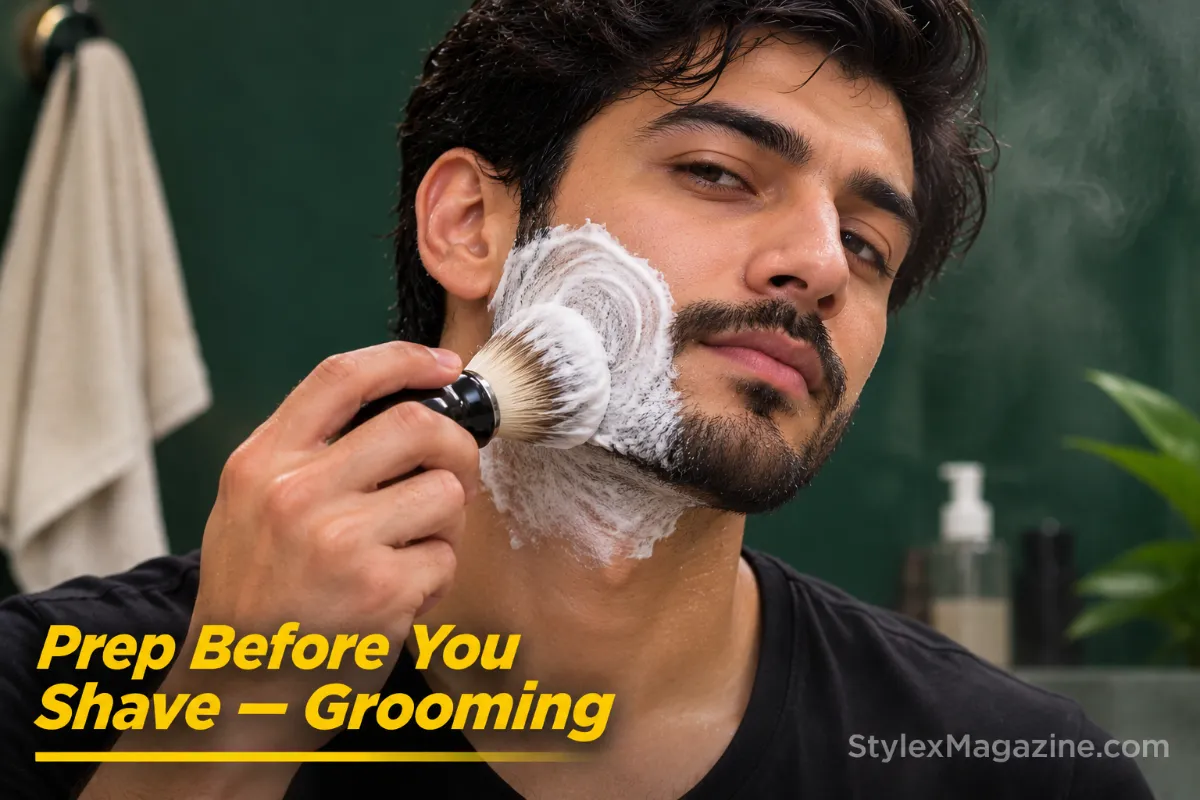
- Soften the beard. Shave right after a shower, or hold a warm, damp towel to your face for a minute. The American Academy of Dermatology recommends shaving after a shower, when the skin is warm and the hair has softened, because dry hair is harder to cut and far more likely to irritate. Wash your face before you shave, not after.
- Lather up. Spread a thin, even layer of cream over the area, working it in with your fingers or a brush to lift the hairs. The AAD suggests letting it sit for two to three minutes, and coarse spots like the upper lip and chin need every second of that. Never shave dry.
- Shave with the grain. Using a sharp blade, shave in the direction the hair grows in short, light strokes, with almost no pressure. Let the razor’s weight do the work and rinse the blade after every stroke.
- Re-lather for a second pass (optional). For a closer finish, re-apply lather and shave across the grain, not against it, unless your skin takes it well. Keep the strokes short on the chin and neck.
- Rinse and protect. Rinse with cold water to calm the skin, pat dry gently rather than rubbing, and apply an alcohol-free balm or moisturiser, with SPF 30 or higher if you are heading outside. Change a blade every five to seven shaves, because a dull edge drags no matter how good your technique.
Source: American Academy of Dermatology
With, Across or Against the Grain?
The single biggest cause of razor bumps is shaving against the grain too soon. The grain is the direction your hair grows, and it changes across the face: cheeks usually grow downward, while the neck and chin often grow sideways or up. Rub a dry cheek with your fingertips, and the rough direction is against the grain.
- With the grain: the safest, least irritating pass. Always start here.
- Across the grain: a closer cut with modest added risk. A good second pass for most men.
- Against the grain: the closest shave, but the most likely to cause bumps and ingrown hairs. Skip it if your skin reacts at all.
Map your own growth once and you will shave more comfortably for life.
Shaving by Skin and Beard Type
Sensitive or bump-prone skin. Fewer blades, not more: a single-blade safety razor or a gentle electric passes over the skin less. Use an alcohol-free, fragrance-light cream, stick to with-the-grain passes, and do not pull the skin taut, which the AAD specifically warns against if you get bumps.
Coarse or thick beard. Soften for longer before shaving, use a dense lathering cream, and keep the blade sharp. A longer soak does more than an extra pass.
Acne-prone skin. Shave around active breakouts, never over them, because a blade across a spot inflames it and spreads bacteria. An electric shaver is gentler here.
Common Shaving Mistakes
- Shaving dry or with thin foam. The top cause of irritation.
- Pressing hard. Let the blade glide, because pressure is what causes nicks and burn.
- A dull blade. It tugs instead of cutting. Replace it on schedule.
- Too many passes. Each stroke takes a little skin with it, and three passes over raw skin is worse than one clean one.
- Rushing the chin and neck. The trickiest areas need the most care, not the least.
- An alcohol-heavy aftershave. It stings and dries freshly shaved skin.
Preventing Razor Burn and Ingrown Hairs
Most razor burn traces back to a dull blade, too little lubrication, or shaving against the grain. A sharp blade, a cushioning cream, light pressure and with-the-grain strokes prevent the majority of it. Ingrown hairs, which dermatologists call pseudofolliculitis barbae, are most common with coarse or curly hair, and exfoliating gently while avoiding a too-close against-grain pass both help. When bumps do flare up, clearing them is its own process, and how to get rid of razor burn walks through what calms the skin and stops the next round.
Aftercare
Shaving strips oil and lifts the top layer of skin, so what you apply after matters as much as the shave itself. Skip the old-school alcohol splash that stings, and reach for a balm or lotion that calms and rehydrates, adding SPF if you are heading outside. Which one suits you depends on your skin, and the best aftershave for men breaks the balms and splashes down by type.
And if you would rather keep the beard than take it off, how to trim a beard at home covers the upkeep, while how to grow a beard covers the awkward first few weeks.
FAQ
Should you shave with or against the grain?
Start with the grain to limit irritation. Go across the grain for a closer second pass, and against the grain only if your skin tolerates it without bumps.
How often should you shave?
Daily is fine if your skin tolerates it, using a sharp blade and an alcohol-free balm. If you get irritation, shave every two to three days instead.
Is it better to shave wet or dry?
A wet shave with cream gives the closest cut and suits most skin. Dry shaving with an electric razor is faster and gentler on reactive skin. Only shave wet with an electric model marked waterproof.
How often should you change a razor blade?
Every five to seven shaves for a cartridge or disposable, or sooner if it starts to tug. A dull blade is the most common cause of nicks and razor burn.
Should you exfoliate before shaving?
A gentle exfoliation once or twice a week helps lift hairs and prevent ingrowns, but skip harsh scrubs and never exfoliate over active acne.
Is an electric or manual razor better?
A manual razor shaves closer, while an electric razor is faster and nicks less, which suits sensitive skin. Neither is better overall. It comes down to your skin and how much time you have.

Other Articles

Best Electric Razors for Men: Foil vs Rotary Picks
20 Best Classic Haircuts for Men That Never Go Out of Style




[…] After eight years working with men’s grooming, the models below are the ones I would hand a client based on his skin, his beard, and how he likes to shave. Below the picks you will also find the two things most roundups skip: what these machines cost to keep running, and how to read the model numbers so you do not buy last year’s shaver by mistake. For the wider tool-and-technique picture, see the men’s shaving guide. […]
[…] Below are eight creams, each chosen for a specific man and a specific problem: reactive skin, a coarse beard, a tight budget, or a face that stings after every shave. For the full tool-and-technique breakdown, see the men’s shaving guide. […]