
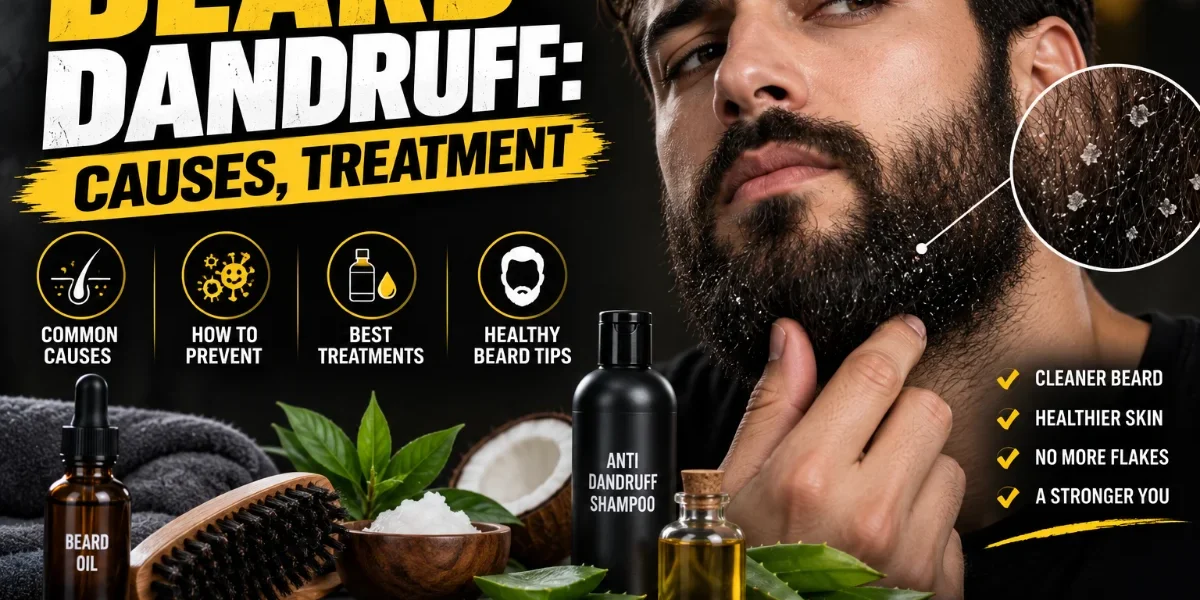

Quick Answer: Beard dandruff is flaking skin beneath facial hair, caused by dry skin or overgrowth of Malassezia yeast. Fix it by exfoliating with a boar bristle brush before showering, washing with a gentle sulphate-free cleanser 2 to 3 times per week in lukewarm water, and applying beard oil directly to the skin daily. If yellow, greasy flakes and persistent redness remain after 2 to 3 weeks, see a dermatologist.
What Causes Beard Dandruff?
Beard dandruff starts with one of two problems: your skin is too dry, or a naturally occurring yeast called Malassezia globosa is overproducing on your face. Both cause flaking, but the flakes look different and need different treatment.
Dry Skin
The most common cause. Hot showers, cold weather, indoor heating, and washing with regular shampoo strip the skin beneath your beard of its natural oils. Without those oils, the skin tightens, cracks, and sheds in small white flakes. I see this spike every winter in the chair: men with zero issues in summer dealing with visible flakes by November.
Stress and poor sleep compound the problem. Both raise cortisol levels, weaken the skin barrier, and increase moisture loss. If flaking gets worse during high-stress periods, the stress itself may be a contributing factor alongside the dry environment.
Malassezia Yeast Overgrowth
Malassezia globosa lives on everyone’s skin and feeds on sebum, the oil your sebaceous glands produce. As it breaks sebum down, it releases oleic acid, a byproduct that irritates some men’s skin and accelerates cell turnover.
A 2025 review in the International Journal of Molecular Sciences confirmed this mechanism, noting that individual sensitivity to oleic acid, not the yeast itself, determines who develops dandruff (Piacentini et al., 2025). The result: larger, sometimes yellowish flakes with redness underneath. Men with naturally oily skin tend to experience this more because higher sebum production fuels faster yeast growth.
Product Buildup and Contact Dermatitis
Heavy waxes, cheap balms with synthetic fillers, and fragrance-loaded products can clog pores and trap dead skin beneath the beard. Some men also develop contact dermatitis, an allergic reaction to specific ingredients that mimics beard dandruff with redness, itching, and scaly patches. If flaking started shortly after switching products, the product is likely the problem. Remove the new product for 7 to 10 days and see if flaking improves.
Seborrheic Dermatitis
When beard dandruff becomes chronic, with persistent greasy scales, redness spreading to the eyebrows or sides of the nose, and itching that does not respond to basic grooming changes, the underlying issue is often seborrheic dermatitis. This is a clinical skin condition, not a grooming failure, and it affects up to 3 to 5% of the general adult population. It needs medical treatment rather than a better beard oil.
Diet, Hydration, and Lifestyle
Your skin repairs itself from the inside out. Diets low in omega-3 fatty acids (salmon, walnuts, flaxseed), zinc (eggs, nuts, leafy greens), and B vitamins are consistently linked to poorer skin barrier function and increased flaking. Chronic dehydration compounds the issue by reducing the moisture available to skin cells. These factors rarely cause beard dandruff on their own, but they slow recovery and make recurrence more likely.
Is It Dry Skin or Beard Dandruff?
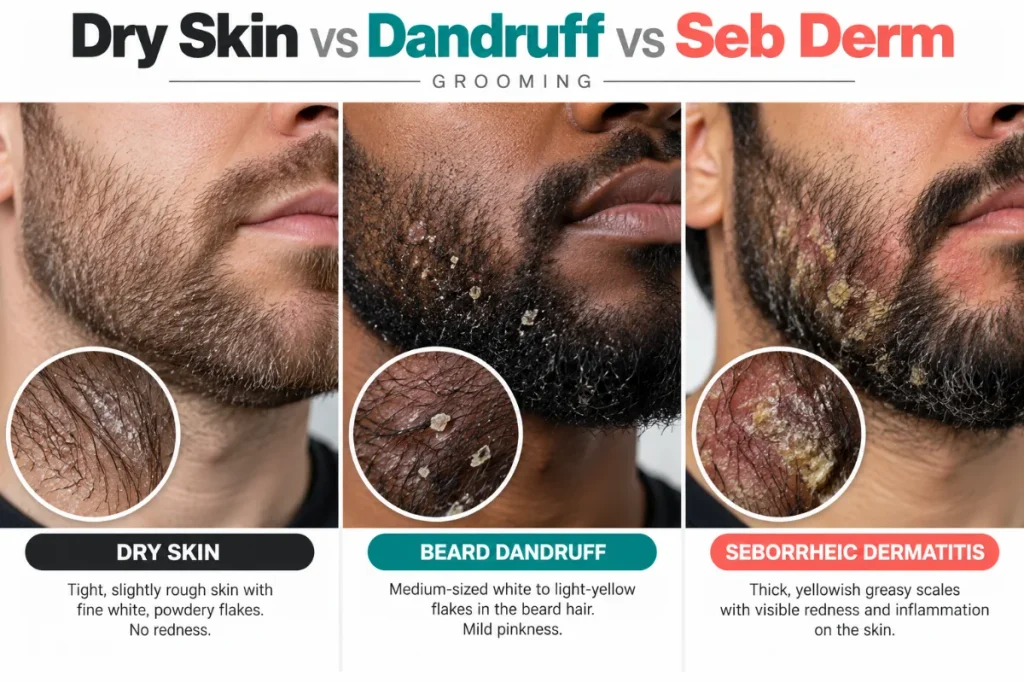
The treatment depends entirely on which problem you have. Dry skin responds to moisture. Yeast-driven dandruff responds to antifungal ingredients. Using the wrong approach makes the problem worse, not better. Heavy oils applied to yeast-driven dandruff can feed the fungus. Antifungal shampoos applied to simple dry skin can strip moisture further.
| Dry Skin | Beard Dandruff (Mild) | Seborrheic Dermatitis | |
|---|---|---|---|
| Flake color | White, fine, powdery | White to light yellow | Yellow, thick, greasy |
| Flake size | Small, barely visible | Medium, noticeable | Large, clumped |
| Skin underneath | Tight, dull, no redness | Mild itch, slight redness | Red, inflamed, oily |
| Oiliness | None | Mild | Moderate to heavy |
| Itch level | Occasional, mild | Noticeable, daily | Persistent, sometimes painful |
| Spreads beyond beard | Rare | Uncommon | Often (eyebrows, nose, scalp, ears) |
| Worse in winter | Yes | Sometimes | Often cycles with seasons |
| Responds to beard oil alone | Usually | Partially | No |
| Primary fix | Moisturize with beard oil | Exfoliate + gentle wash + oil | Medicated shampoo + dermatologist |
If your flakes are small, white, and your skin feels tight and dry underneath, start with moisture. If flakes are larger, yellowish, and the skin looks oily or red, target the yeast first. If the redness and scaling spread to your eyebrows, nose creases, or ears, that points toward seborrheic dermatitis and you should see a dermatologist rather than troubleshooting alone.
How Do You Get Rid of Beard Dandruff?
A consistent routine eliminates most cases of beard dandruff within 7 to 14 days. The steps work regardless of beard length, but how you execute each one changes depending on whether you have stubble or a full beard (see the beard length section below).
Step 1: Exfoliate With a Beard Brush
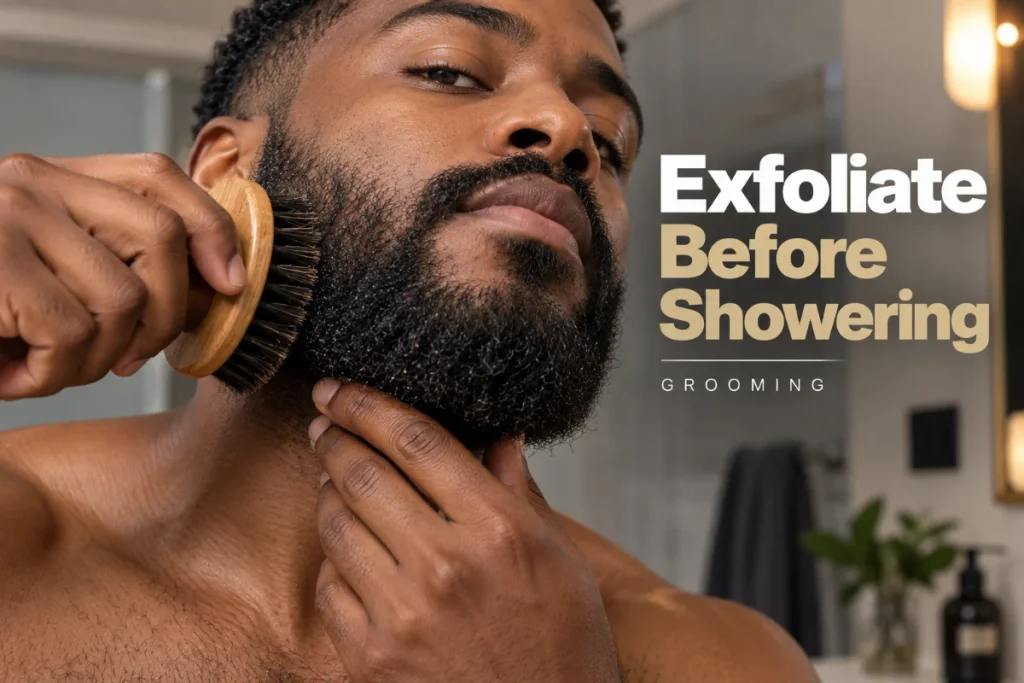
Before showering, dry-brush the beard with a boar bristle brush. Work from the roots outward in downward strokes. This loosens dead skin cells sitting beneath the hair, stimulates blood flow to the follicles, and distributes your skin’s natural oils more evenly.
During an active flaking period, brush daily. Once the dandruff clears, scale back to 3 to 4 times per week for maintenance. A boar bristle brush works better than synthetic alternatives because the natural bristles penetrate thicker beards and actually reach the skin underneath. Synthetic bristles tend to glide over the surface of the hair without reaching the flakes trapped at the root.
Do not scrub aggressively. Pressing hard does not remove more flakes, it tears the skin barrier and worsens irritation. Firm, steady strokes are enough.
Step 2: Wash With a Gentle Cleanser
Use a dedicated beard wash or a gentle, sulphate-free cleanser 2 to 3 times per week. Regular shampoo is formulated for scalp oil levels, which are significantly higher than facial skin. Using it on your beard strips too much sebum, triggering a cycle of dryness, overproduction, and more flaking.
Lukewarm water only. Hot water feels satisfying but aggressively dissolves the natural lipid layer protecting your skin. Massage the cleanser into the skin beneath the beard, not just through the hair. The skin is where the problem starts. Rinse thoroughly and leave no residue, because leftover cleanser sitting against the skin causes its own irritation.
On non-wash days, rinse the beard with lukewarm water and follow with a conditioner if your beard sits above 10mm. This is called co-washing, and it maintains cleanliness without stripping oils.
Step 3: Apply Beard Oil to the Skin First
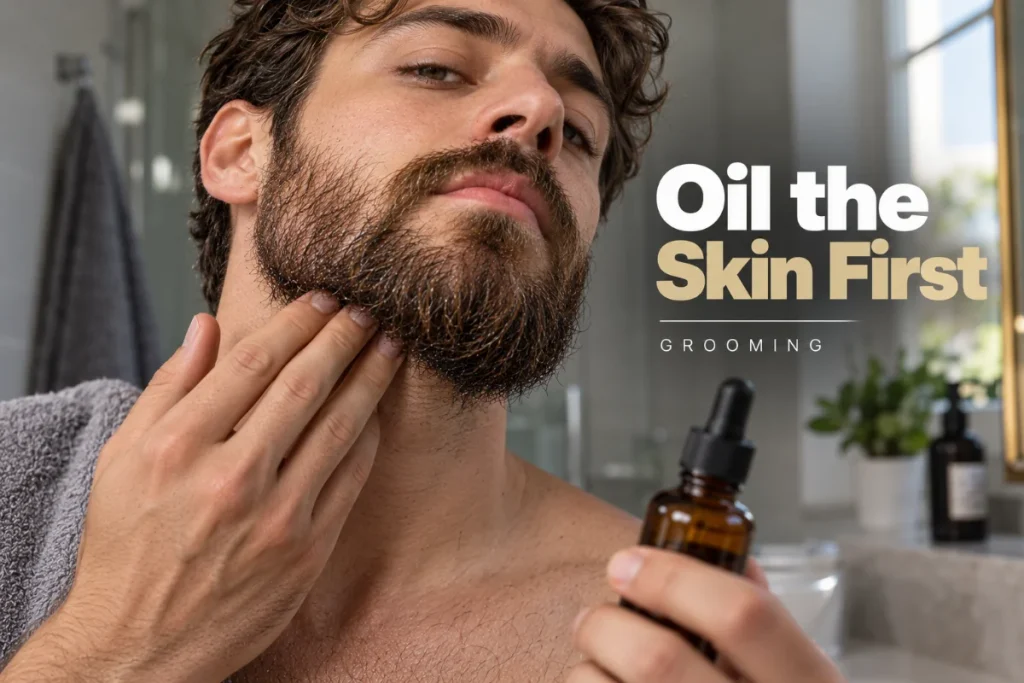
This is the step most men get wrong. I see it in the chair constantly: they run oil through the beard hair and skip the skin entirely. The skin is where the dandruff originates, and the oil needs to reach it.
After showering, towel-dry the beard gently (pat, do not rub). While pores are still open from the warm water, work 3 to 5 drops of beard oil into the skin beneath the beard using your fingertips. Then distribute the remaining oil through the hair from root to tip with a comb or brush. Jojoba oil is the most effective base because its molecular structure closely mirrors human sebum, allowing the skin to absorb it without clogging pores.
For dry skin dandruff, this step alone often resolves the problem within a week. For yeast-driven dandruff, oil controls symptoms but does not eliminate the root cause, which is where Step 4 comes in.
Step 4: Use Medicated Shampoo if Needed
If the routine above does not improve flaking after two weeks, add a medicated shampoo once per week. Look for one of these active ingredients:
- Pyrithione zinc: controls yeast growth and reduces flaking (available over the counter)
- Ketoconazole (1% or 2%): targets Malassezia directly (1% OTC, 2% prescription)
- Selenium sulfide: slows cell turnover and reduces oiliness
- Salicylic acid: breaks down flake buildup, works as a chemical exfoliant (best for thick, scaly patches)
Massage the medicated shampoo into the beard and skin, leave it on for 5 minutes before rinsing. Follow immediately with beard oil to replace the moisture the medicated formula strips. Do not use medicated shampoo more than once or twice per week on facial skin because these formulas are designed for the thicker, oilier scalp and can overdry your face with frequent use.
Does the Treatment Change by Beard Length?
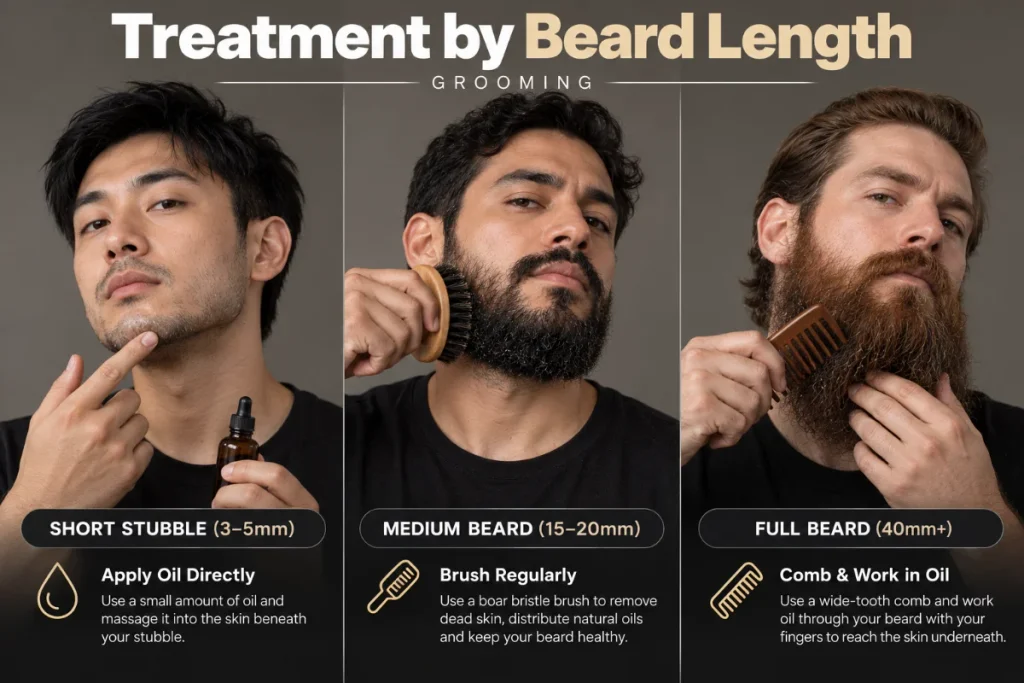
Yes. The length of your beard directly affects how easily products and tools reach the skin underneath, and changes the balance of what causes problems.
Stubble and short beards (under 10mm): The skin is fully accessible. A gentle face scrub with fine particles works for exfoliation alongside the brush. Use a lighter amount of oil (2 to 3 drops) since there is less hair to absorb it. Flaking at this length is usually visible and responds fast, often within 5 to 7 days.
Medium beards (10 to 25mm): The brush becomes essential because your fingers alone cannot reach the skin through the hair effectively. Wash frequency matters more here because product and dead skin accumulate faster in denser hair. Apply 4 to 5 drops of oil and work it through with a comb after massaging into the skin. At this length, men who skip washing entirely on rest days often notice buildup forming by day 3.
Full and long beards (25mm+): Product buildup is the biggest risk at this length. Conditioning after every wash is no longer optional, it is necessary to keep the hair from drying out and trapping dead skin against the face. Use 5 to 8 drops of oil. Adding a beard balm after the oil helps seal moisture in for longer beards. Trim split ends periodically, even if you are growing, because damaged hair traps more debris against the skin and creates pockets where yeast can thrive.
Which Ingredients Actually Work Against Beard Dandruff?
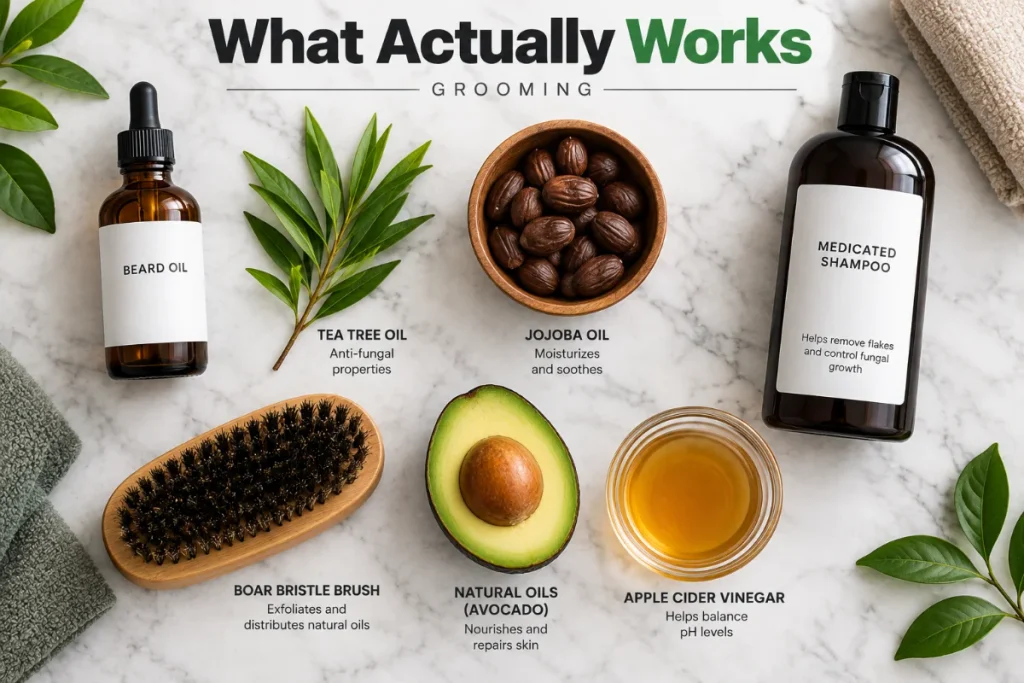
Not all beard products address dandruff equally. Some ingredients target dryness, others target yeast. Using the wrong type for your situation wastes time and can make flaking worse.
| Ingredient | What It Does | Best For | Evidence |
|---|---|---|---|
| Jojoba oil | Mimics natural sebum, restores skin moisture barrier | Dry skin dandruff | Molecular structure match to human sebum |
| Argan oil | Anti-inflammatory, rich in vitamin E and fatty acids | Both types | Reduces oxidative stress on skin |
| Tea tree oil (5%) | Antifungal: terpinen-4-ol disrupts Malassezia cell membranes | Yeast-driven dandruff | RCT showed significant dandruff reduction vs. placebo (Satchell et al., 2002) |
| Pyrithione zinc | Controls yeast growth, reduces flaking | Yeast-driven dandruff | Active ingredient in Head & Shoulders, well-established |
| Ketoconazole | Prescription-strength antifungal, targets Malassezia directly | Seborrheic dermatitis | Gold standard medical treatment |
| Selenium sulfide | Slows skin cell turnover, reduces oiliness | Oily skin + flaking | Established OTC antidandruff agent |
| Salicylic acid | Breaks down flake buildup, chemical exfoliant | Thick, scaly patches | BHA penetrates oily skin well |
| Apple cider vinegar (diluted) | Restores skin pH, mild antimicrobial effect | Mild maintenance | Anecdotal, limited clinical evidence |
StyleX Tip: Avoid petroleum jelly on a flaking beard. It creates an occlusive barrier that traps moisture and heat against the skin, producing conditions where Malassezia thrives. Use a non-comedogenic oil instead.
Important: Tea tree oil must be diluted before applying to skin, typically 2 to 5% concentration mixed into a carrier oil like jojoba. Undiluted tea tree oil can cause chemical burns and contact dermatitis, especially on already irritated facial skin.
What Mistakes Make Beard Dandruff Worse?
I see these six mistakes constantly in the chair. Each one either causes beard dandruff directly or prevents an existing case from clearing up.
- Washing daily with regular shampoo. Facial skin produces less oil than your scalp. Daily shampooing strips the skin barrier, triggering a dryness-overproduction-flaking cycle that feeds itself. Switch to a gentle beard wash, 2 to 3 times per week maximum.
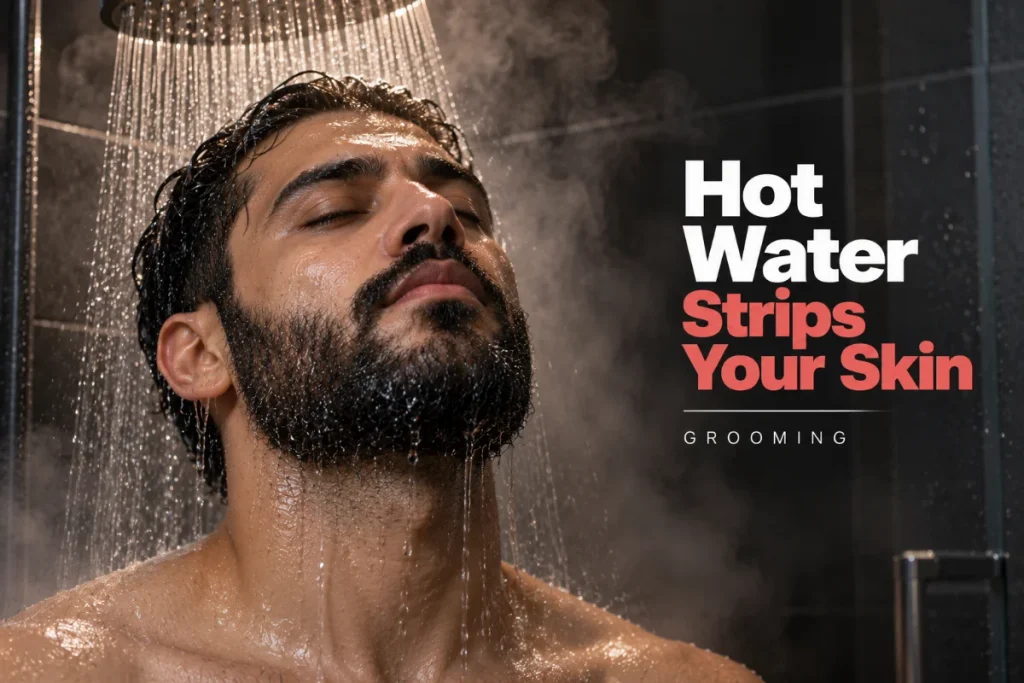
- Using hot water. Hot showers dissolve the natural lipid layer protecting your skin. The relief feels immediate, but 30 minutes later the skin is drier than before. Lukewarm water cleans just as effectively without the damage.
- Oiling the hair but not the skin. The beard hair is not where dandruff originates. If oil never reaches the skin beneath, it cannot address the dryness or yeast driving the flakes. Fingertips into the skin first, then through the hair.
- Scrubbing with abrasive DIY scrubs. Sugar scrubs and salt scrubs are too harsh for facial skin. They create micro-tears in the skin barrier, introduce bacteria, and worsen irritation. A boar bristle brush or a gentle chemical exfoliant (lactic acid, salicylic acid) is safer and more effective.
- Using fragrance-heavy products on irritated skin. Synthetic fragrance is a frequent trigger for contact dermatitis on facial skin. If your skin is already flaking and red, switch to fragrance-free products until it clears completely, then reintroduce cautiously.
- Stopping the routine when flakes disappear. Beard dandruff returns when the routine stops. The exfoliation, washing, and oil routine is ongoing maintenance, not a one-time fix. Maintain it even after the visible flaking clears, or expect recurrence within 1 to 2 weeks.
How Do You Prevent Beard Dandruff From Coming Back?
Prevention is the same routine as treatment, just at a lower frequency. Once flaking is under control:
- Brush 3 to 4 times per week instead of daily
- Continue washing 2 to 3 times per week with a gentle cleanser
- Apply beard oil daily, every single day, even when the skin feels fine
- If you used medicated shampoo during treatment, taper to once every 2 weeks rather than stopping abruptly
- Adjust seasonally: increase oil application in winter and in air-conditioned environments, slightly reduce in humid summer months
- Keep grooming tools clean. Bacteria and dead skin build up on brushes and combs. Wash them weekly with warm water and a mild soap
If you know your dandruff is yeast-driven (yellow flakes, oily skin), monitor for early signs of recurrence, usually mild itch before visible flakes appear, and restart medicated shampoo at the first sign rather than waiting for a full flare.
When Should You See a Dermatologist?
Most beard dandruff responds to the routine above within 2 to 3 weeks. If it does not, or if any of these signs appear, consult a dermatologist:
- Yellow, greasy scales spreading to your eyebrows, nose creases, ears, or scalp
- Persistent redness and inflammation that does not improve with consistent gentle care
- Pain, oozing, or cracking skin beneath the beard
- Flaking that returns aggressively despite consistent daily care for 3 or more weeks
- Thick, silvery scales (which may indicate psoriasis rather than dandruff)
- Patchy hair loss within the beard (which may indicate alopecia barbae or a fungal infection)
A dermatologist can prescribe stronger antifungal treatments, topical corticosteroids for inflammation, or rule out other conditions like psoriasis, eczema, or fungal infections that mimic beard dandruff but need different treatment entirely.
FAQs
Can beard dandruff cause hair loss?
Beard dandruff itself does not directly cause beard hair loss. Chronic scratching and untreated inflammation can irritate follicles and contribute to temporary patchiness, but treating the underlying dandruff resolves this. If you notice actual bald patches in your beard unrelated to scratching, see a dermatologist to rule out alopecia barbae or tinea barbae (a fungal infection of the beard area).
Does shaving get rid of beard dandruff?
Shaving removes the beard but not the underlying cause. If the dandruff is driven by Malassezia or dry skin, it will persist as facial flaking even without a beard. Shaving can also irritate already compromised skin. Treating the skin condition is more effective than removing the hair above it.
How long does it take to fix beard dandruff?
Most men see noticeable improvement within 7 to 14 days of a consistent routine (daily oil, 2 to 3 washes per week, regular brushing). Yeast-driven or seborrheic dermatitis cases may take 3 to 4 weeks with medicated shampoo added. Consistency matters: sporadic effort produces sporadic results, and stopping when flakes disappear guarantees they return.
Should you use head dandruff shampoo on your beard?
You can, but limit it to once per week maximum. Head dandruff shampoos contain active ingredients (pyrithione zinc, ketoconazole) that work against Malassezia regardless of where they are applied. The issue is that these formulas are designed for thicker scalp skin and can overdry the thinner, more sensitive skin on your face. Always follow with beard oil to restore moisture.
Can diet affect beard dandruff?
Yes. Omega-3 fatty acids support the skin’s lipid barrier, zinc contributes to skin cell renewal, and B vitamins support overall skin health. A 2025 literature review noted that nutritional deficiencies can exacerbate seborrheic dermatitis by weakening the skin’s immune response (Urbańska et al., 2025). Chronic dehydration also worsens dryness beneath the beard. Diet alone will not cure beard dandruff, but poor nutrition slows recovery and makes recurrence more likely.

Other Articles

20 Best Full Beard Styles for Men (2026)
How to Grow a Beard? Week-by-Week Guide (2026)




[…] Use them daily and the scalp dries out within weeks. Clients come in thinking they have developed dandruff. It is gel flake on their shoulders, not skin. Switching to an alcohol-free formula stops this on […]
[…] One note on flaking: the white flakes under a growing beard are beard dandruff (seborrheic dermatitis or dry skin). Washing the beard a few times per week and moisturizing the skin underneath handles most cases. Persistent, red, or painful flaking needs a dermatologist. The full guide on beard dandruff. […]