
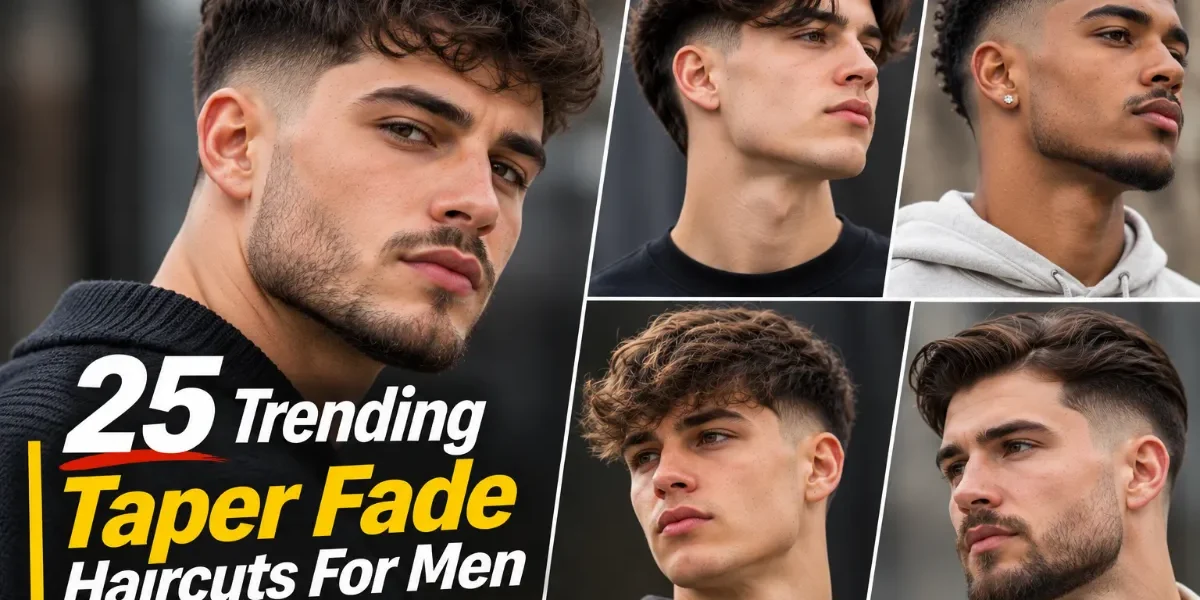

Quick Answer: A taper fade is a haircut where the hair gets gradually shorter at the edges, meaning the sideburns, temples and nape, while the sides keep most of their length. Taper describes where the hair shortens, not how short it finishes. That is why a taper can end on a guard or go all the way to skin.
Ask three barbers what a taper fade is and you can get three answers. Some will tell you a taper never goes down to skin. Others cut a bald taper every day. That disagreement is real, and it is the main reason men walk out with sides far shorter than they pictured.
The fix is not learning the right word. It is naming the three things that actually decide the cut. Below are 25 taper fade styles worth getting, plus the language that gets you the one you had in mind. For how the taper sits among every other fade, see all fade types.
What Is a Taper Fade Haircut?
Tapering is a barbering technique, not a hairstyle. It means reducing hair length gradually from one length to another, and barbers do it at the edges of the cut: around the sideburns, across the temples and down the nape. The sides and back above that zone keep most of their weight.
A taper fade takes that technique and blends it smoothly into whatever length you keep on top. Nothing about the word tells your barber how short the shortest point goes.
Three separate decisions sit underneath the name:
- Zone: how much of the side gets shortened. A taper stays at the edges. A full fade climbs the whole side.
- Height: where the blend starts within that zone, low, mid or high.
- Finish: how short the bottom ends, from a guarded length down to bare skin.
Hold those apart and the contradictions resolve. A barber who says “a taper never goes to skin” is describing a finish preference, not a rule. A bald taper fade is a taper zone with a skin finish, and it is a perfectly normal cut to ask for.
The practical payoff of the taper zone is grow-out. Because the short work sits at the edges rather than halfway up your head, there is no hard line to betray you in week two. The cut softens instead of breaking.
Taper vs Fade vs Taper Fade: What Is the Actual Difference?
| Classic taper | Taper fade | Full fade | |
|---|---|---|---|
| Where it works | Sideburns and nape only | Edges, blended up a little higher | The whole side and back |
| How short at the bottom | Short, usually not skin | Very short, skin optional | Often skin |
| Contrast | Soft | Soft to moderate | Strong |
| Grows out | Cleanest, 4 to 5 weeks | Clean, 3 to 4 weeks | Shows a line, 2 to 3 weeks |
| Suits | Traditional and office-first looks | Most men, most settings | Bold, high-contrast styles |
The short version: a taper is subtle, a fade is bold, and a taper fade sits between them.
One honest warning before you book. Shop vocabulary genuinely varies, and one barber’s taper fade is another’s low fade. No glossary fixes that. A photo of the back and side of the cut you want, plus the three variables above, does.
If you are weighing the softest option against the sharpest, the taper fade vs skin fade comparison takes that decision apart properly.
How High Should the Taper Sit?
| Taper height | Where the blend starts | Contrast | Upkeep |
|---|---|---|---|
| Low | Just above the ears, close to the natural hairline | Subtle | Lowest, grows out cleanest |
| Mid | Around the middle of the sides, above the ear and below the temple | Moderate | Every three weeks or so |
| High | Up near the temples | Strong | Highest, edges need regular attention |
Worth knowing before you compare notes with a friend: taper heights and fade heights are different scales. A high taper still leaves the sides longer than a low fade does, because a taper only works the edge zone. If you want the full-side versions instead, the mid fade and high fade guides cover those.
If you cannot decide, start low. A barber can take a blend higher in thirty seconds. Putting hair back takes three weeks.
What Are the Best Taper Fade Styles?
Twenty-five worth getting, grouped by what sits on top.
Heights and Finishes
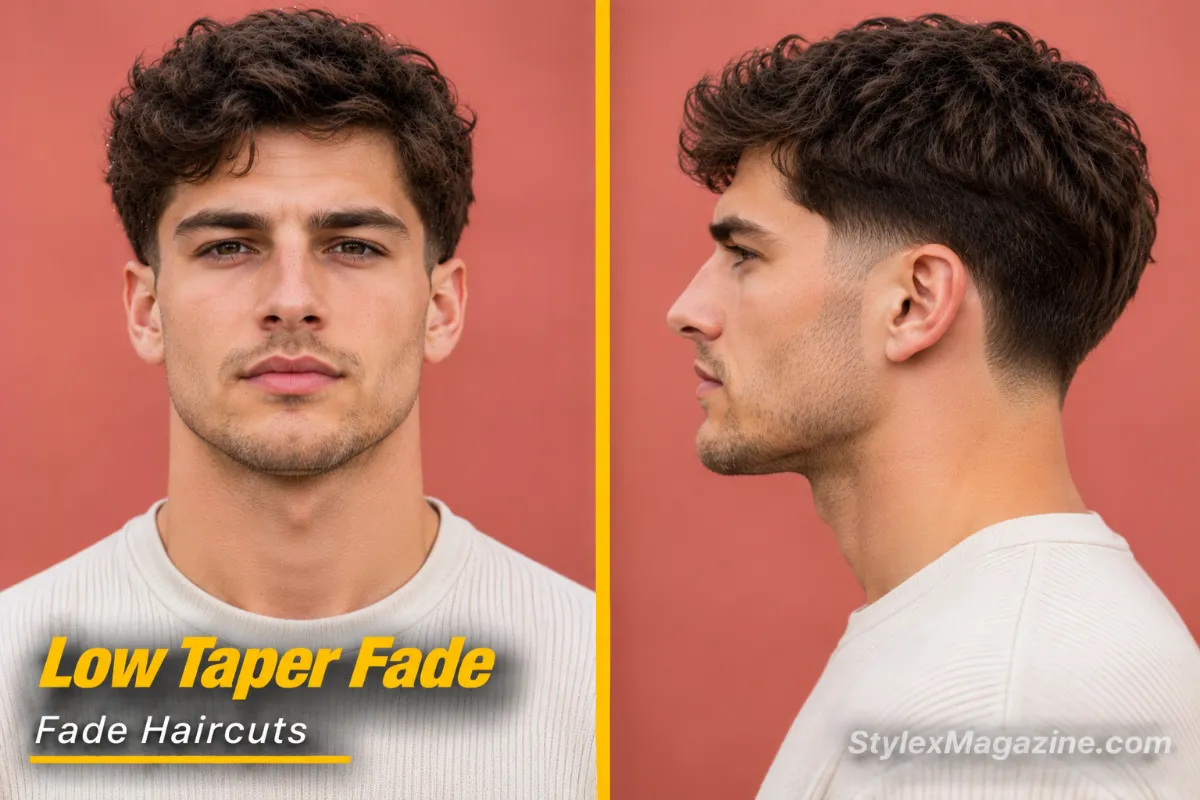
1. Low Taper Fade. The blend sits just above the ears and follows the natural hairline down to the nape, leaving the sides nearly full. It is the safest first taper, the easiest to wear in a conservative office, and the one that still looks deliberate at week four.
Tip: If you wear a collar every day, ask for the nape taper to finish just above your collar line. Regrowth then sits under the fabric instead of catching on it.
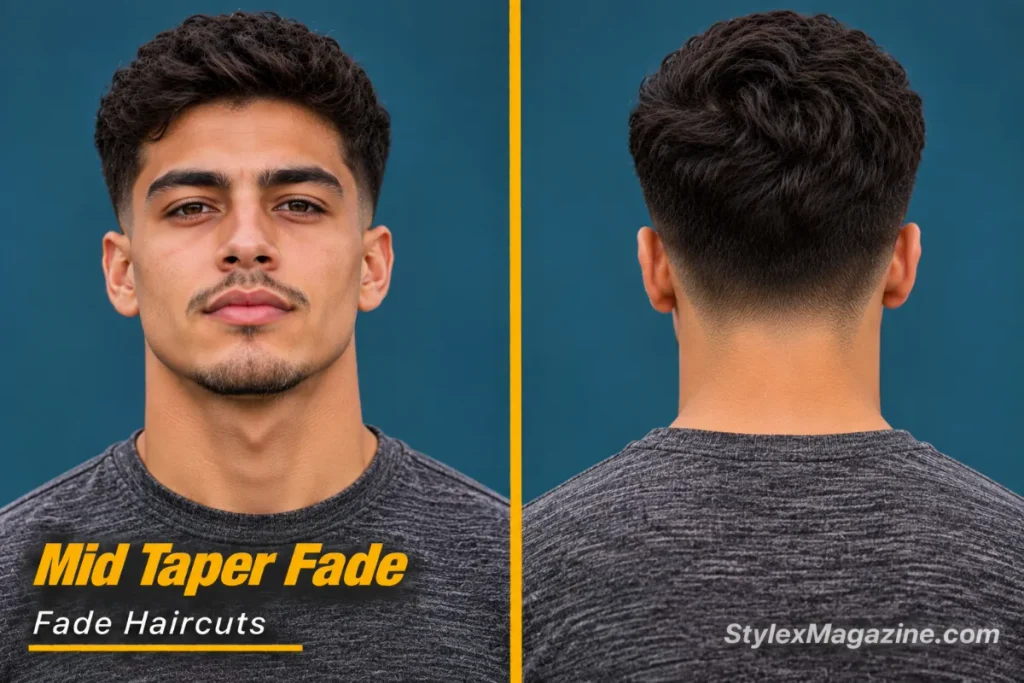
2. Mid Taper Fade. The blend starts between the ear and the temple. More shape than a low taper without exposing much scalp, and it suits crew cuts, crops, quiffs and pompadours equally. Most men who are unsure land here.
Tip: Ask the barber to hold a finger at the blend point before they start. Mid is the height men most often picture higher than it lands.
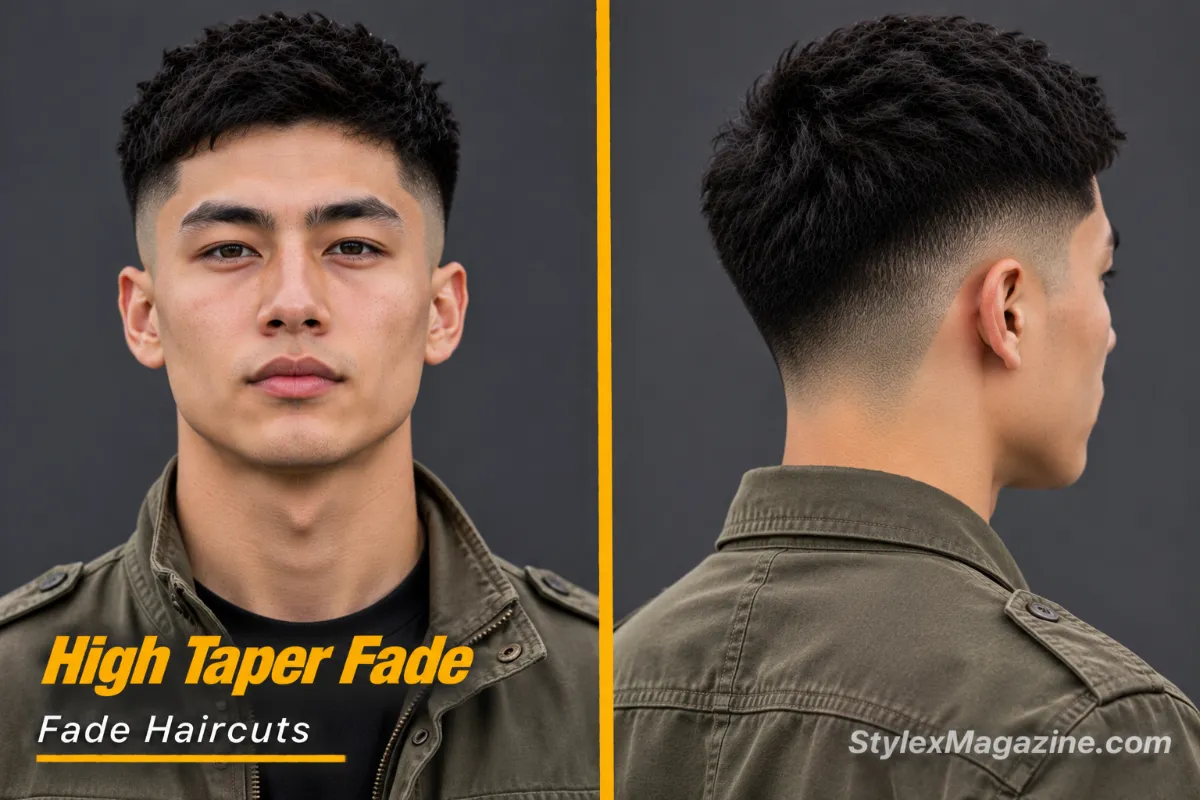
3. High Taper Fade. The blend climbs to the temples for real contrast against the top. It pairs best with short, cropped or tightly curled tops. One thing almost nobody mentions: a high taper depends on contrast between hair and scalp, so on blond or very light hair it can look patchy rather than sharp. Ask for a softer blend through the temples if your hair is fair.
Tip: Keep the blend below the widest point of your head. Taken above it, the sides look hollow instead of sharp.
4. Skin or Bald Taper Fade. The taper zone taken all the way down to bare scalp at the lowest point. Sharpest possible finish, and the reason some barbers insist this is not a taper at all. It is, and it needs a touch-up roughly every two weeks.
Tip: Book it two or three days before an event rather than the morning of. Razor redness and small nicks settle in that window.
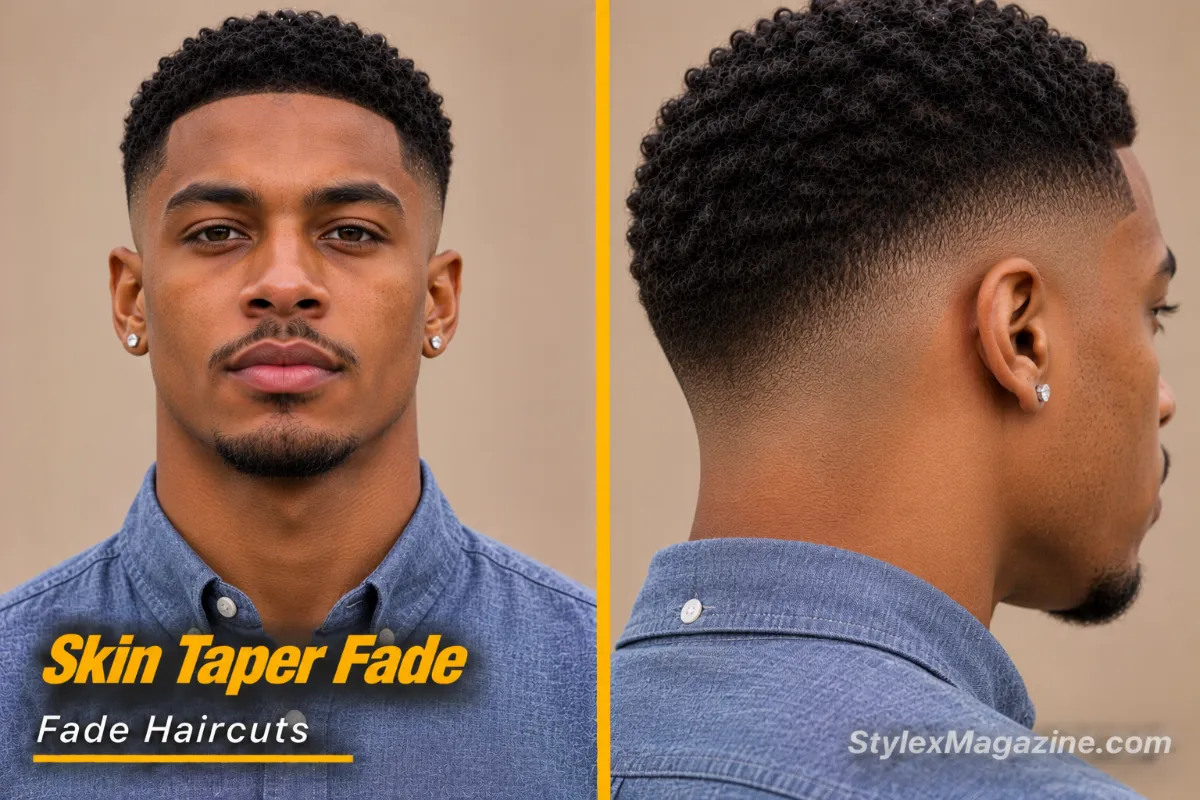
5. Classic Taper. Scissor and clipper work with no skin and no dramatic contrast, just the sideburns and nape brought in neatly. This is the businessman’s version and the longest-lasting cut on this list.
Tip: Ask for scissor-over-comb on the sides instead of clippers. It leaves no visible start line at all, which is the whole appeal of this version.
Short Tops
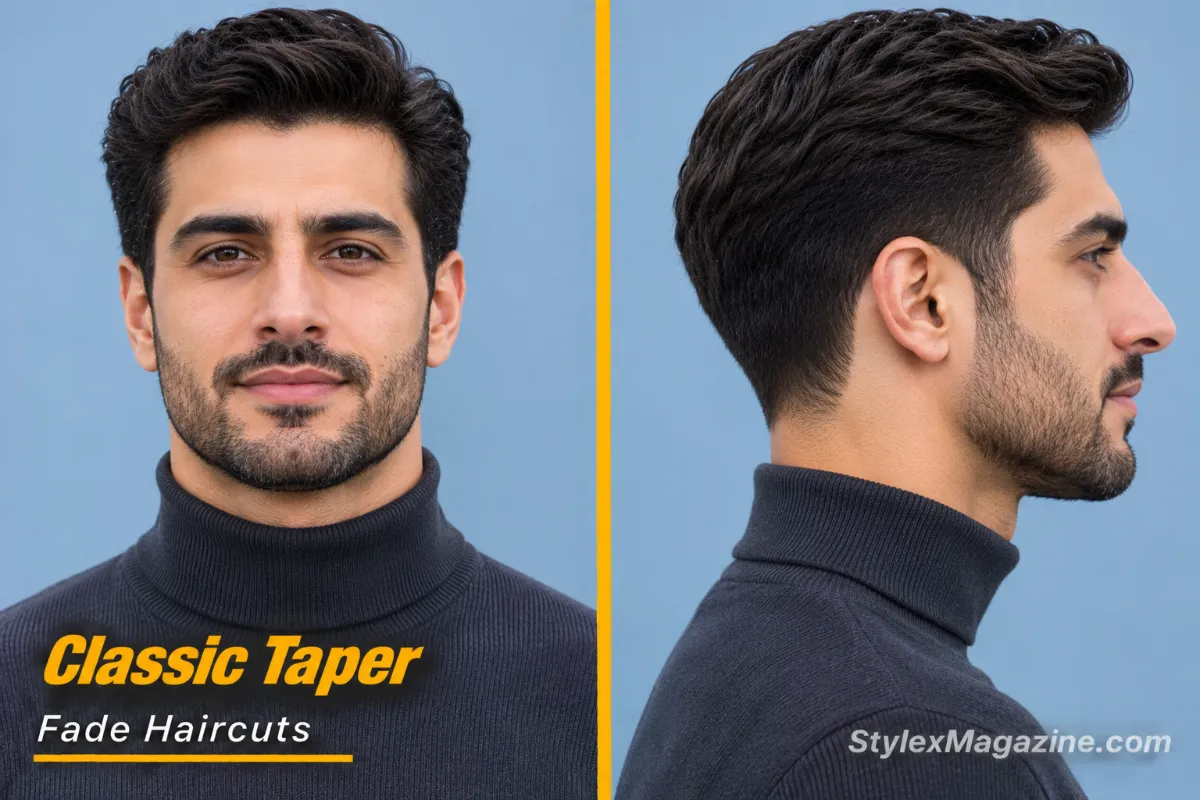
6. Buzz Cut Taper Fade. One length on top with the edges tapered. The taper is what stops a buzz looking like you did it yourself, and the nape is where people notice the difference.
Tip: The guard on top needs to be at least two sizes longer than the shortest point at the edge. Any closer and the taper disappears into a plain buzz.
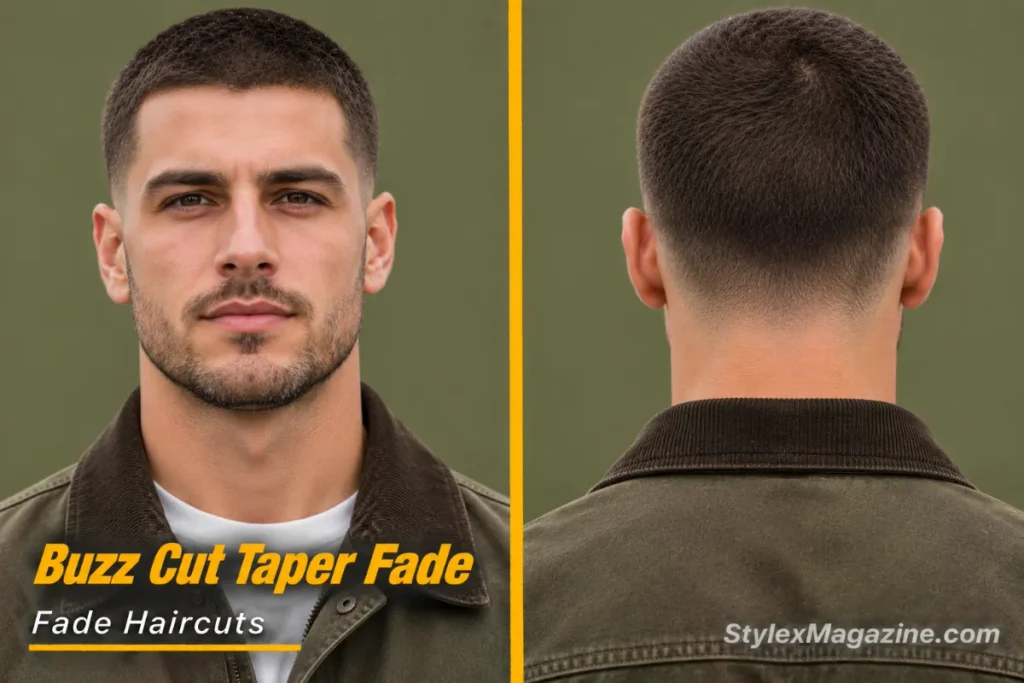
7. Crew Cut Taper Fade. Slightly longer at the front than the crown with tapered edges. Athletic, tidy, and close to styling-free.
Tip: Say you want the front left longer than the crown. Cut to one length on top, a crew cut looks flat in profile.
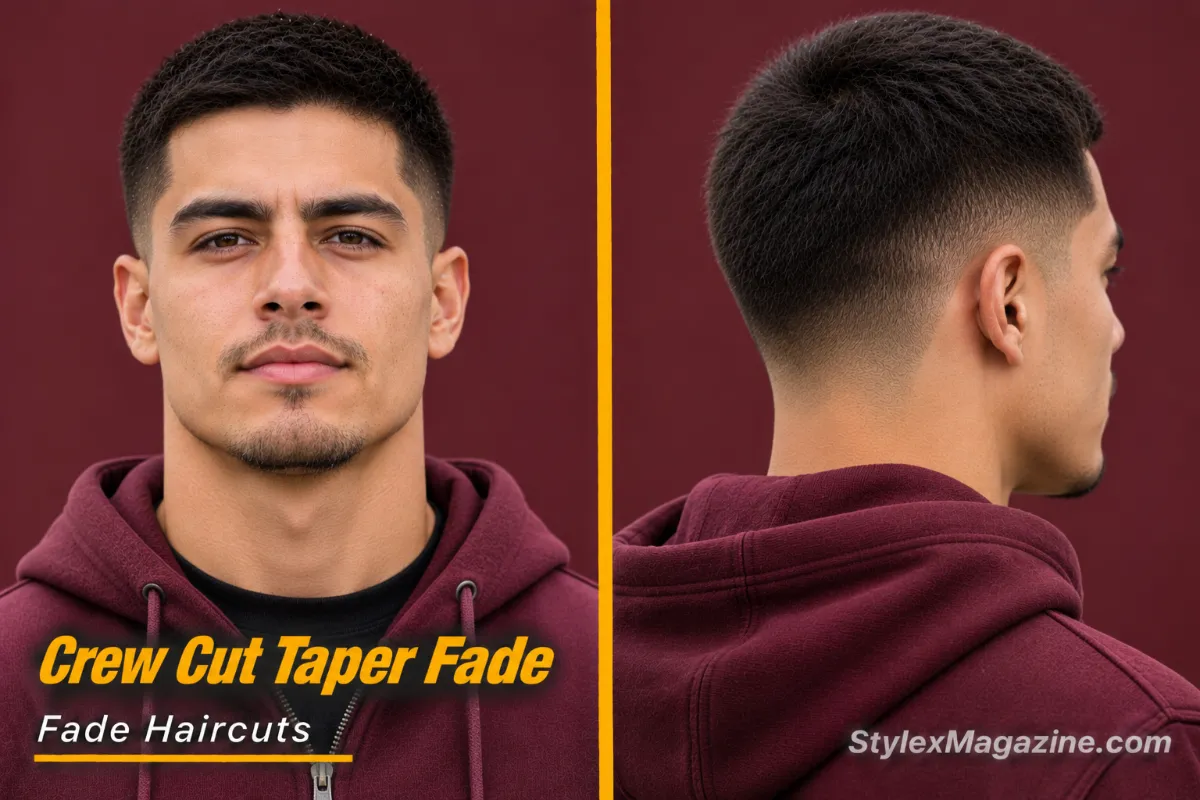
8. French Crop Taper Fade. A short, forward fringe over tapered temples. It covers an early receding hairline without announcing it, and the taper keeps the outline clean. Ask for a slightly uneven fringe, since a dead-straight line can look harsh.
Tip: Have the fringe cut dry. Wet hair stretches, and a fringe measured wet ends up shorter than you agreed once it dries.
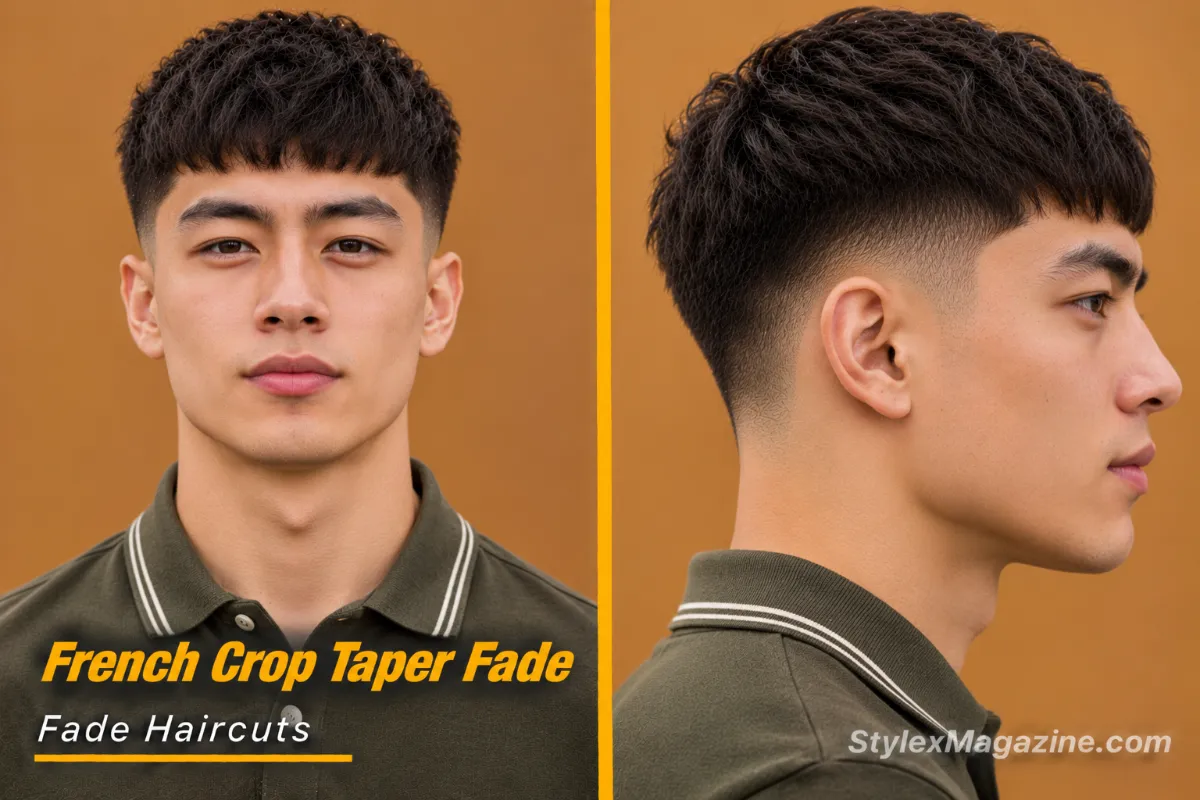
9. Textured Crop Taper Fade. Choppy, point-cut layers on top with a low to mid taper underneath. Low effort, holds shape as it grows, and forgiving on second-day hair. For more on the fringe-forward version, see textured fringe haircuts.
Tip: Weight should come out of the crown, not the fringe. A thinned fringe stops sitting forward and starts separating.
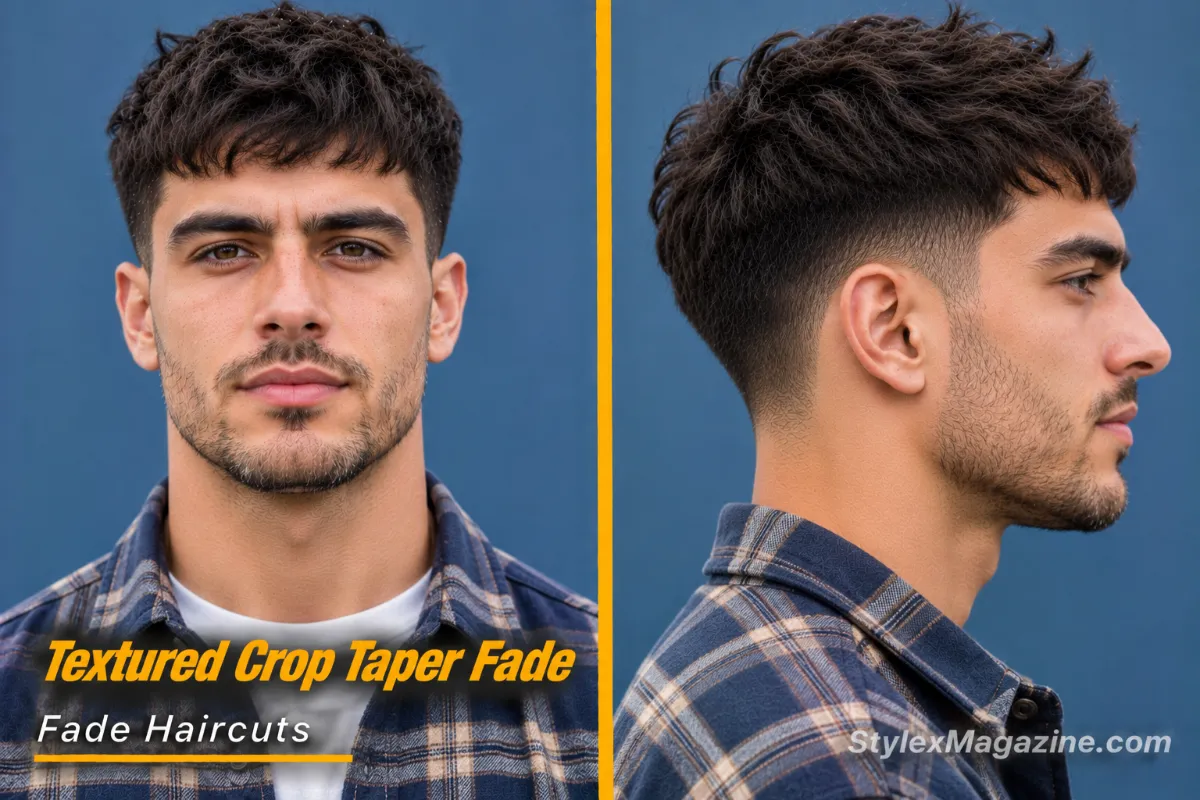
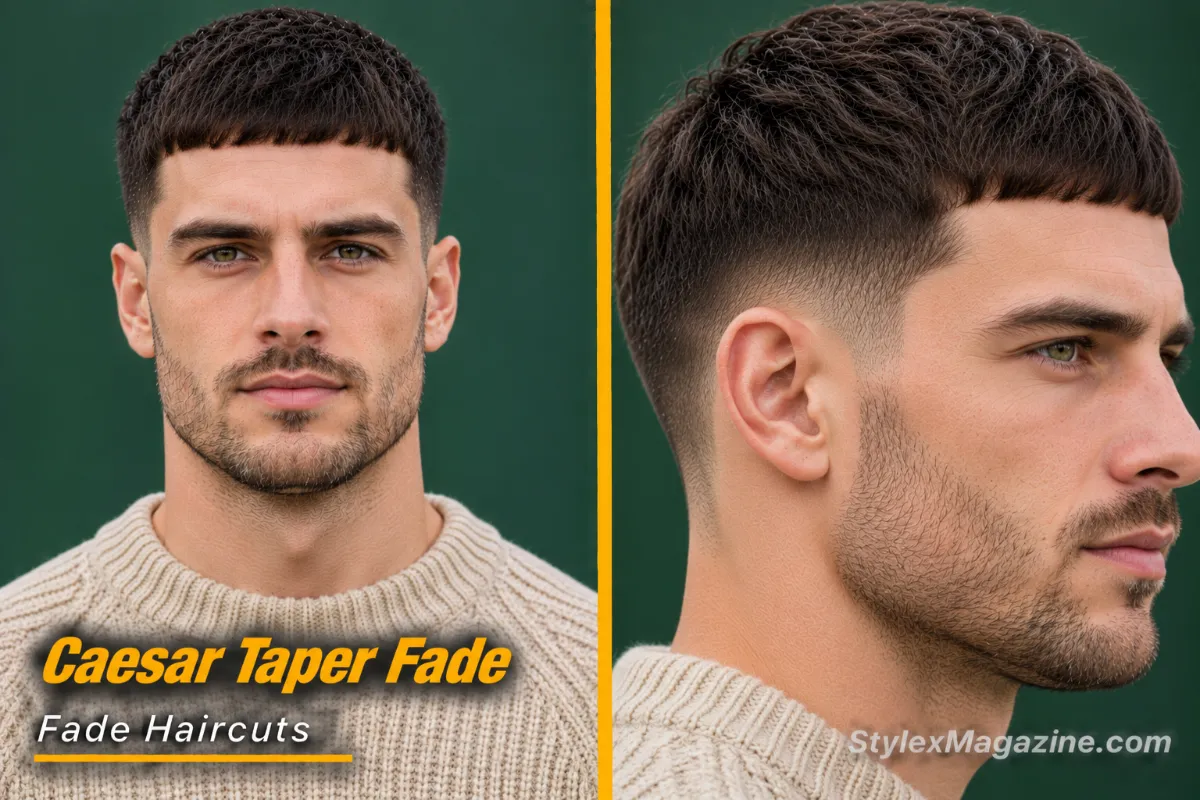
10. Caesar Taper Fade. A short top combed forward with a blunt fringe. It needs next to no styling and it sits well on thinning hairlines.
Tip: Stop the fringe about a finger’s width above your brows. Lower than that and it shortens the whole face.
Curly and Coily Tops
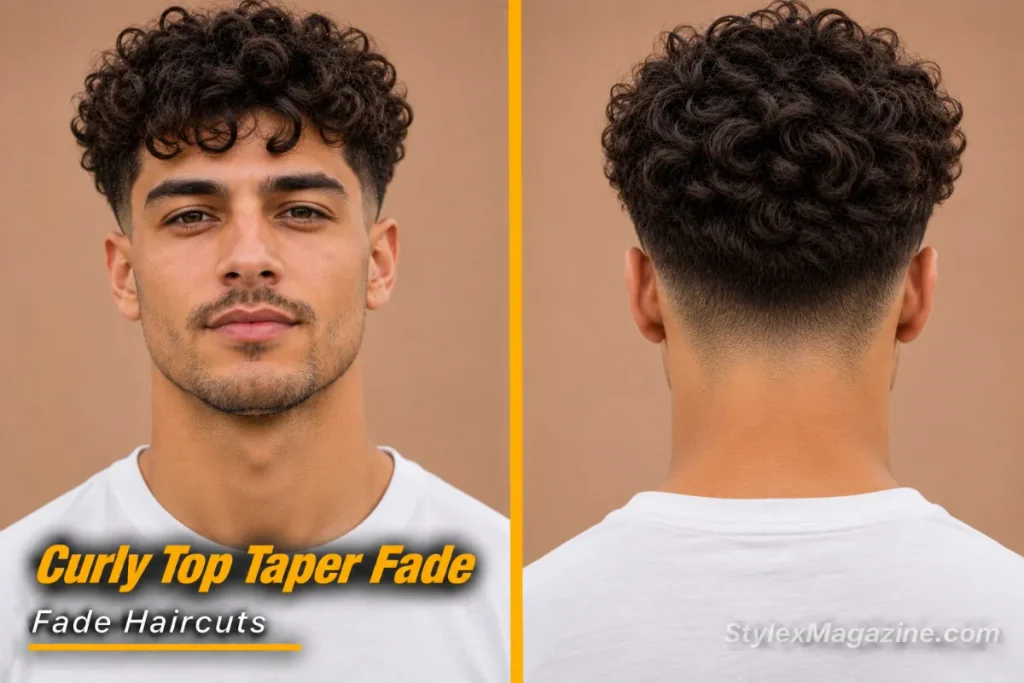
11. Curly Top Taper Fade. Tapered edges give curls room to be the focus without the sides turning bulky. Keep three to five inches on top and find a barber who has cut your curl pattern before, because length falls differently once it dries. More options in curly hairstyles for men.
Tip: Skip a hard line-up at the temples if your curl pattern is tight. A straight edge fights the curl direction and grows out crooked within days.
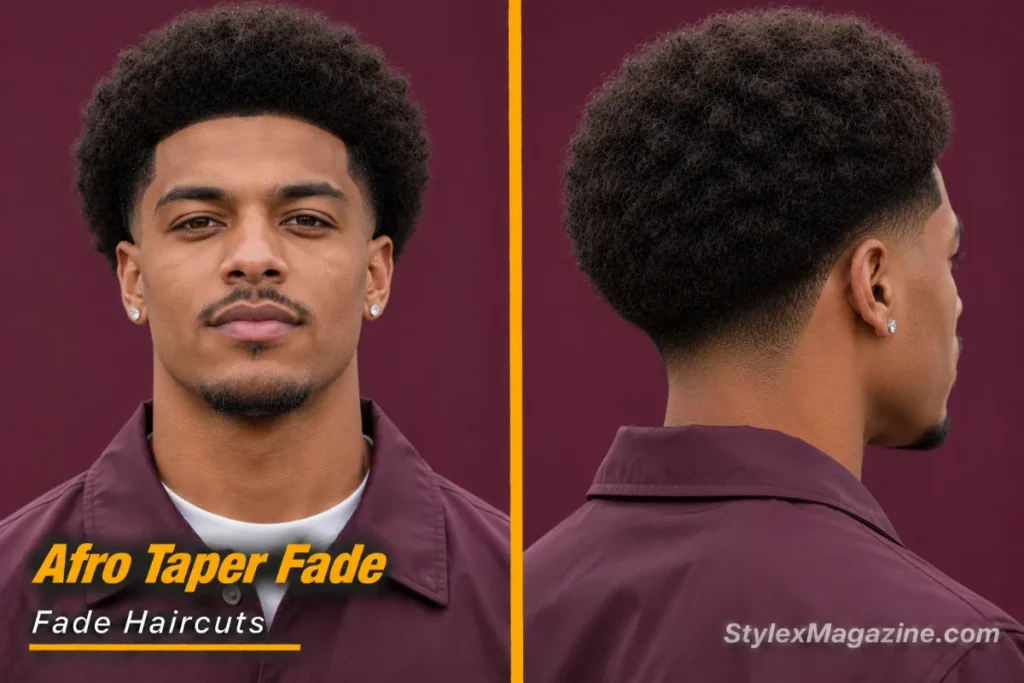
12. Afro Taper Fade. The taper removes weight over the ears and at the nape so the shape stays round and deliberate. A low taper usually flatters more than a high one here.
Tip: Ask for the top to be shaped after it is picked out, not while it is combed flat. The barber should be shaping the silhouette you actually walk around in.
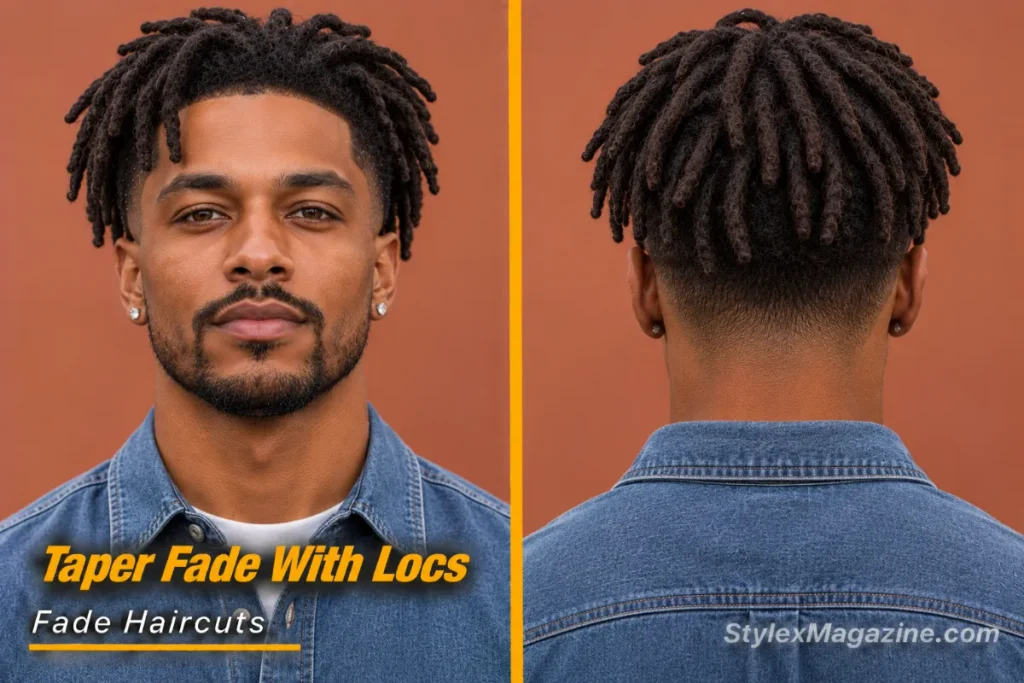
13. Taper Fade With Dreads or Twists. Locs or two-strand twists on top against clean tapered edges. The contrast holds up as the length grows, and the nape stays tidy under collars. For texture-specific technique, see fade haircuts for Black men.
Tip: Book edge-ups on their own schedule. The locs need attention far less often than the taper does, so a short edge appointment between full visits keeps the cost down.
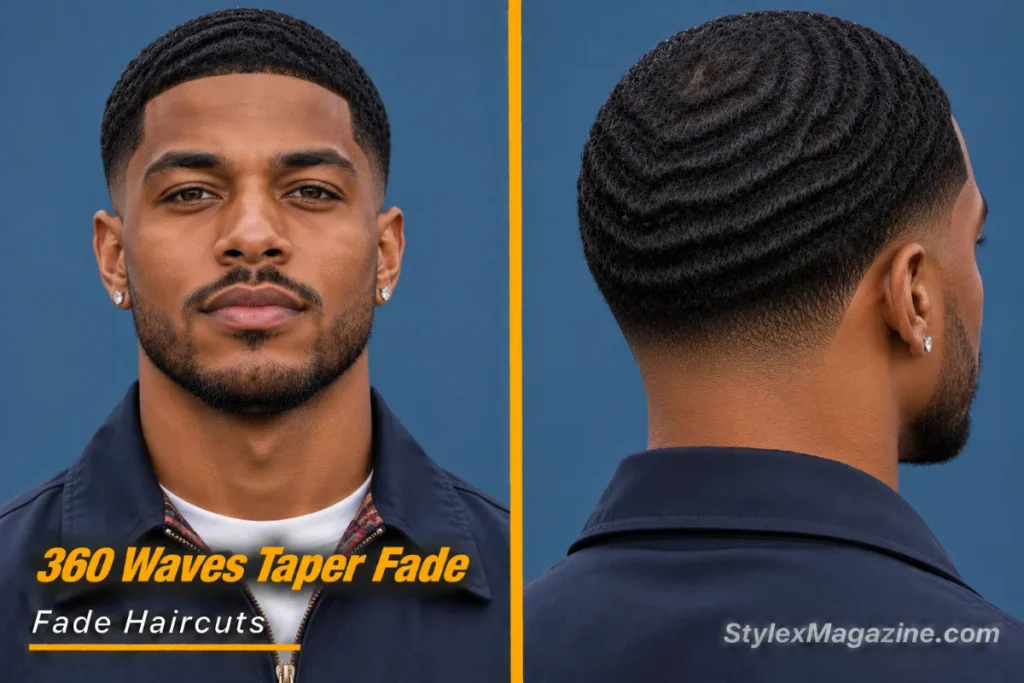
14. 360 Waves Taper Fade. The taper keeps the edges crisp while the wave pattern stays intact on top. Since the short work stays at the edges, it takes less off the pattern than a full fade would.
Tip: Brush the waves in before you sit in the chair. The barber can then see where your pattern ends and cut the taper up to it rather than through it.
Longer Tops
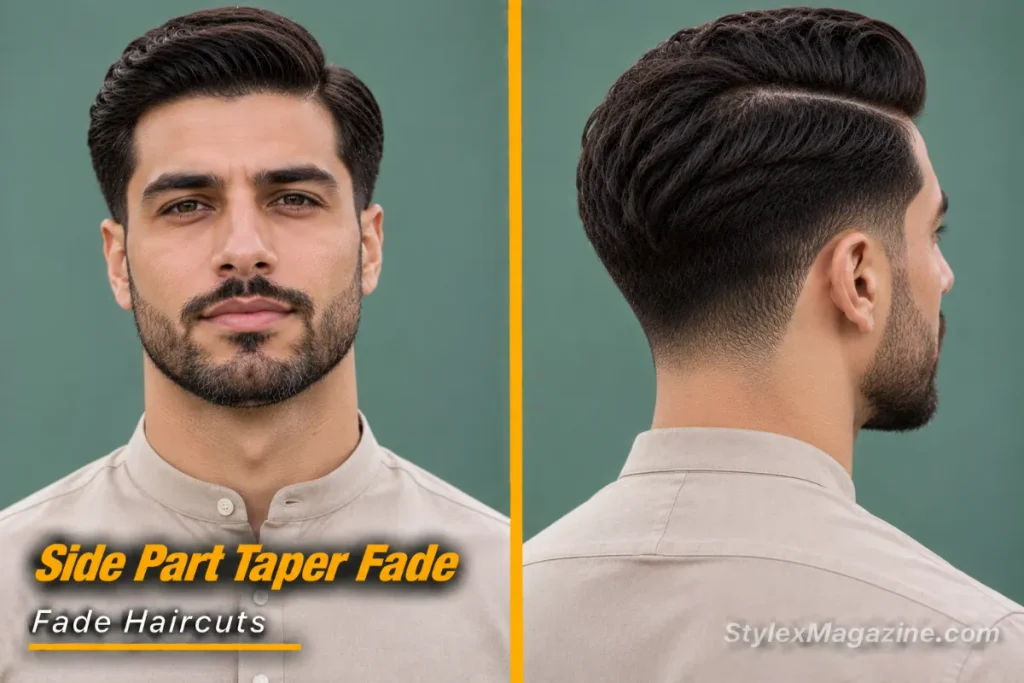
15. Side Part Taper Fade. A natural or defined part with tapered sides. Find your part on damp hair rather than forcing one, since a forced part tends to collapse by lunchtime.
Tip: Leave slightly more length on the heavy side of the part. Equal lengths either side make a part look drawn on rather than natural.
16. Comb Over Taper Fade. Length swept across the top with the edges brought in clean. Polished enough for client-facing work and kind to a receding front. The comb over fade covers the combed-over approach in full.
Tip: The sweep lives on the front length, so have weight removed from the back of the top instead. Cutting the front shorter is what kills most comb overs.
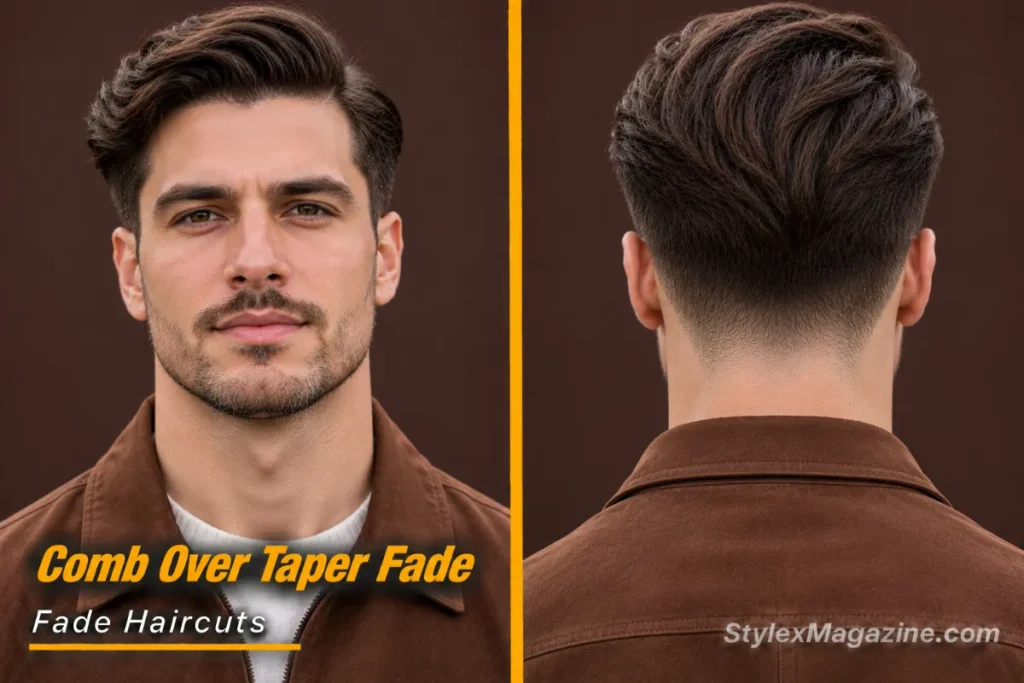
17. Slick Back Taper Fade. Everything goes back in one motion over tapered sides. Skip the wet-look finish; a low-shine cream looks better and does not flatten the top. See how to style a slick back for the comb and product work.
Tip: If the crown refuses to lie back, that is a length problem rather than a product problem. The crown usually needs another half inch before it will stay.
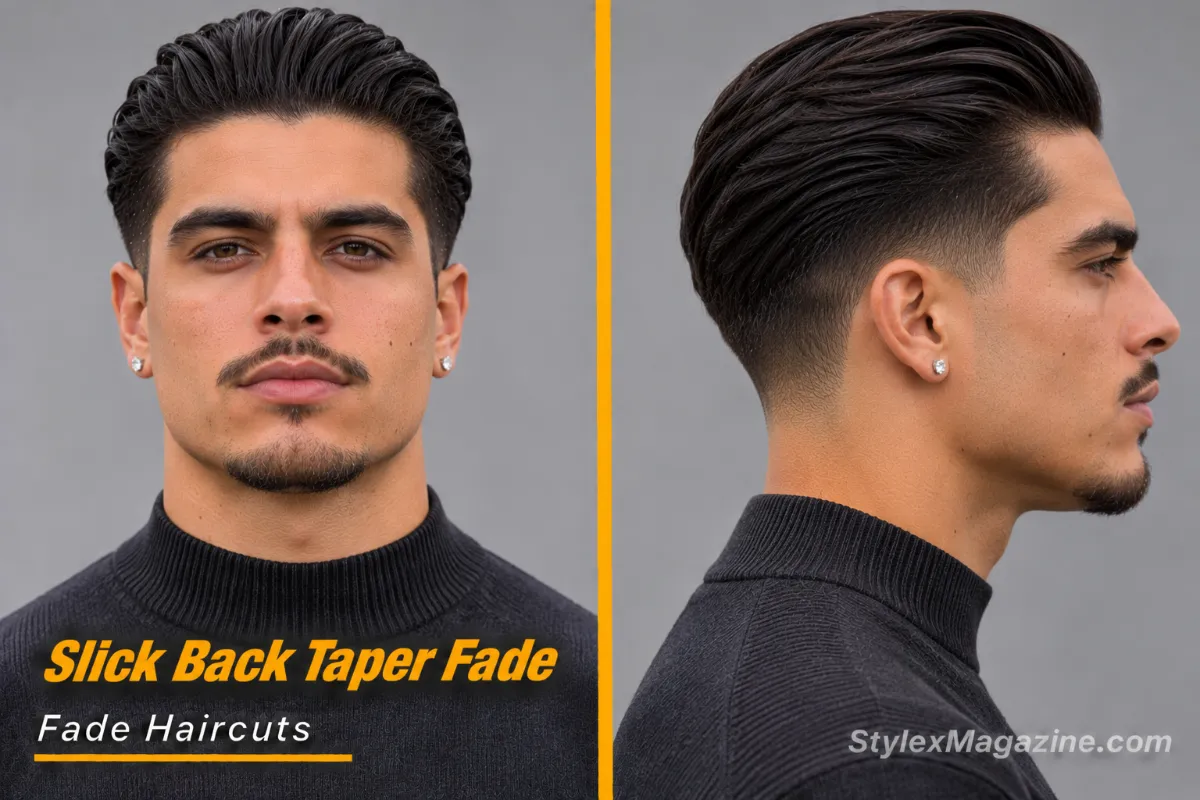
18. Pompadour Taper Fade. Controlled height at the front with the sides kept slim. The dryer builds the shape and the product only holds it, so expect a few minutes each morning.
Tip: Dry the front against the way it naturally falls first, then push it back. Drying it in the direction it already sits gives you no lift at all.
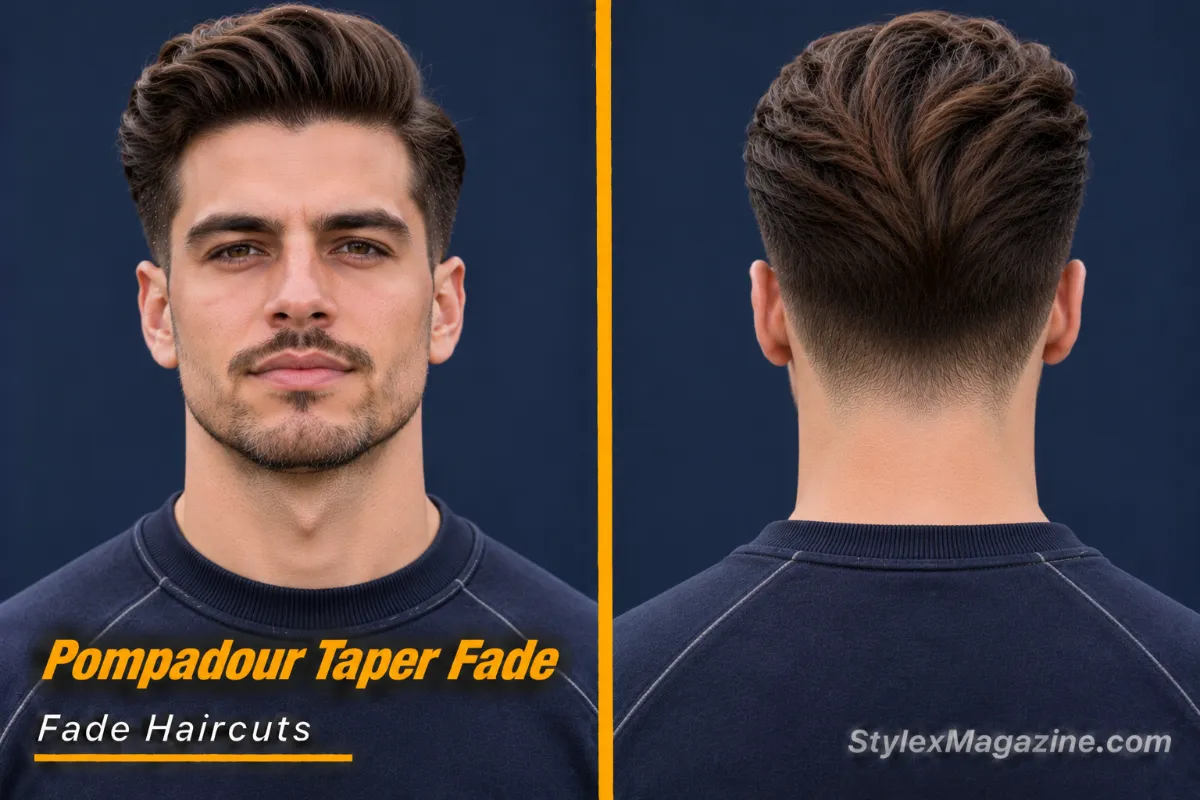
19. Quiff Taper Fade. Lift at the front, softer and less structured than a pompadour. A mid taper balances it best.
Tip: Have the sides of the top cut slightly shorter than the front section. Left even, a quiff widens into a wedge as it grows.
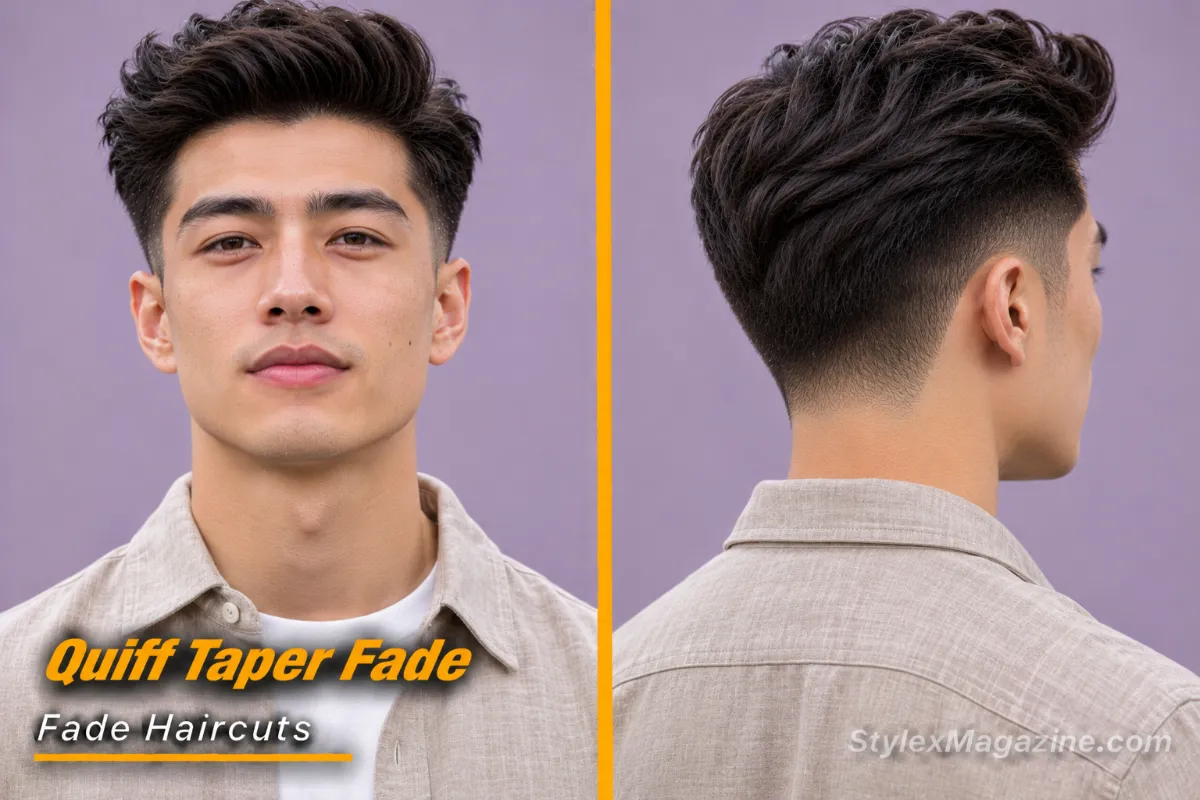
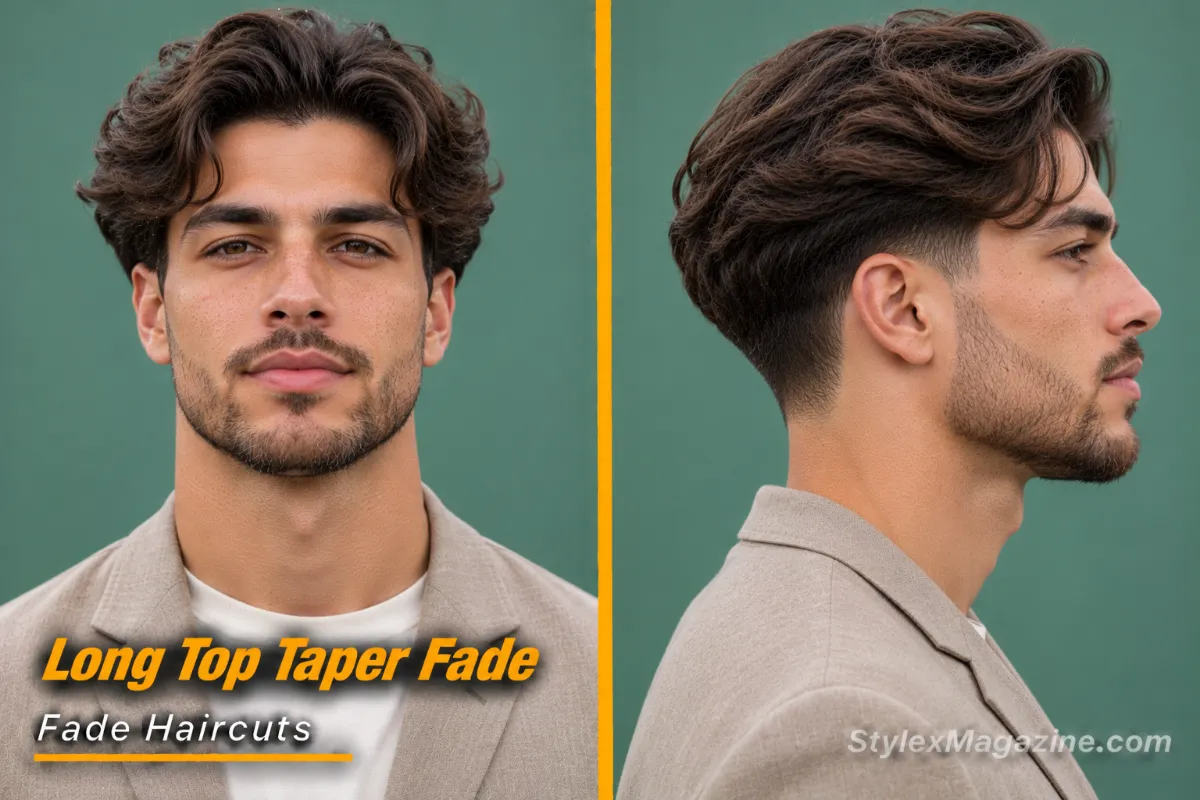
20. Long Top Taper Fade. Layered length on top that can be pushed back, swept aside or worn loose, with a low taper keeping the edges from going shaggy. The practical choice while growing your hair out.
Tip: Book a trim for the top every second visit even while growing it out. Split ends stop long hair sitting properly long before you notice the length.
Bold and Detailed
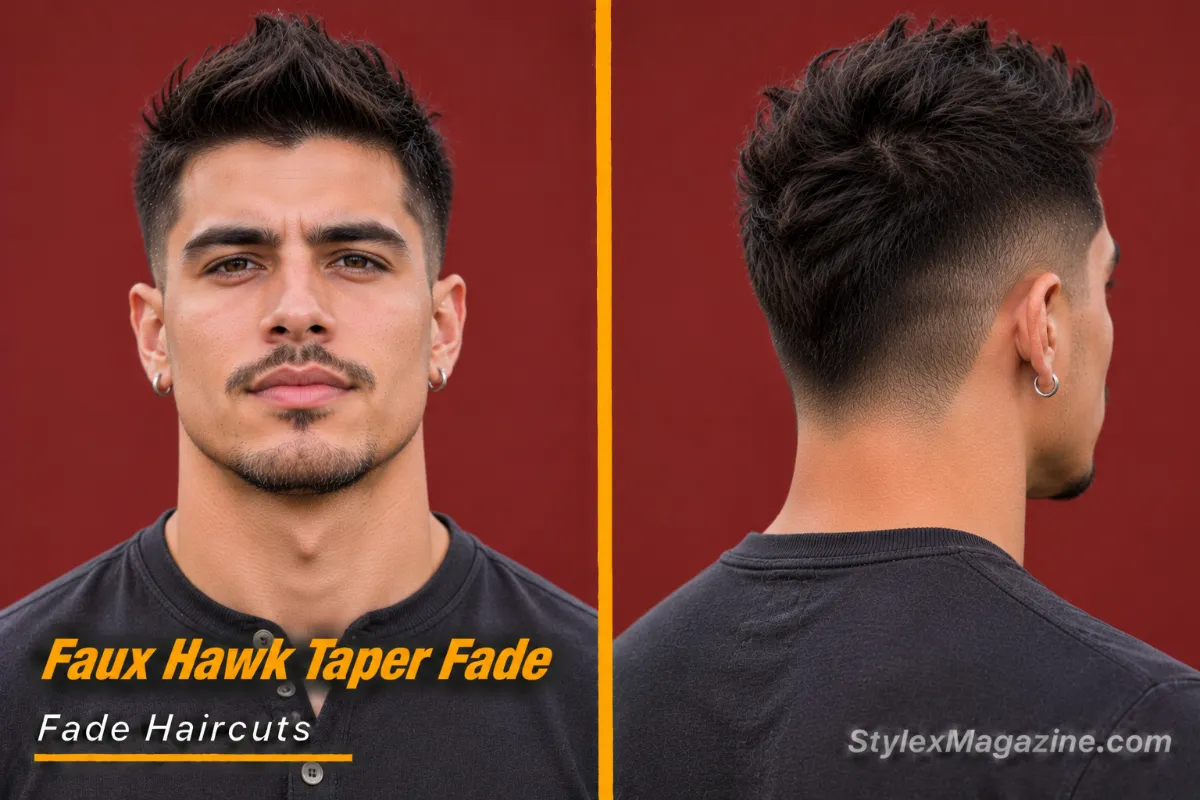
21. Faux Hawk Taper Fade. A strip of height down the centre with tapered sides. Keep the strip wider than feels natural, or it drifts into mohawk territory.
Tip: Ask for the strip to narrow slightly toward the crown. A strip of even width looks blocky from behind, which is the angle you never check.
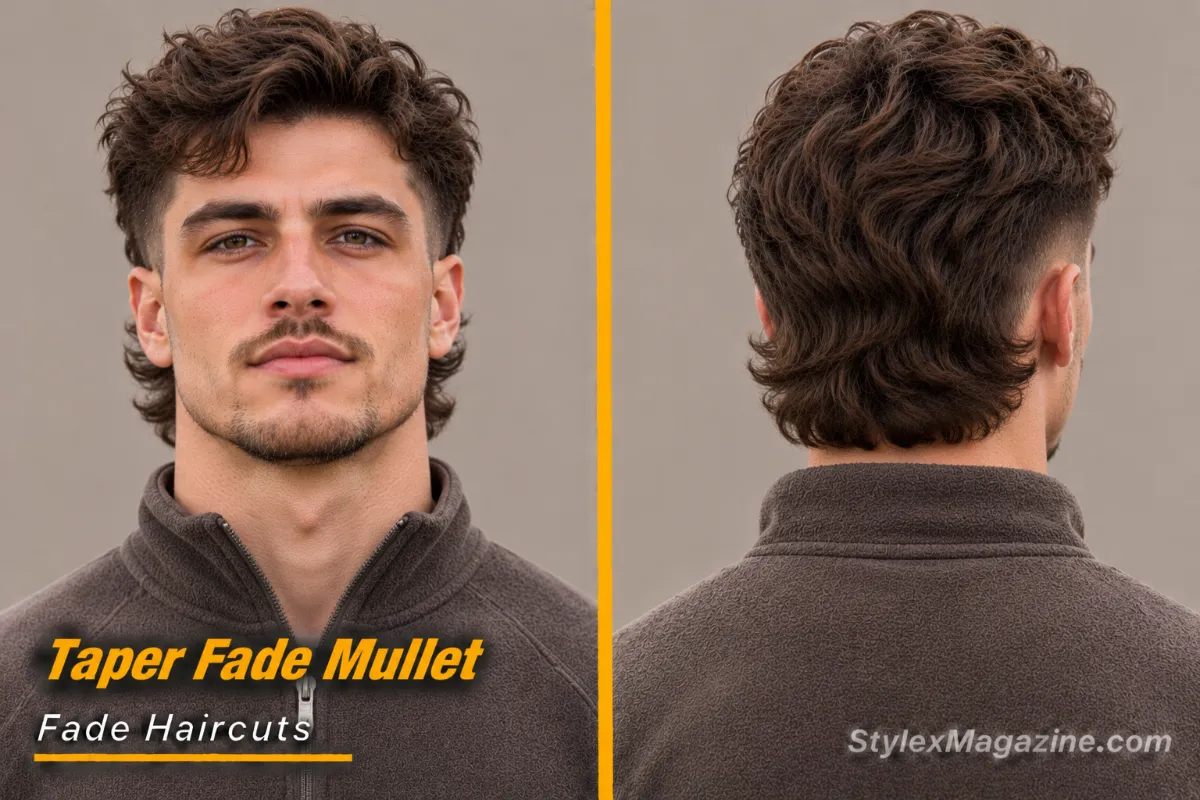
22. Taper Fade Mullet. Tapered sideburns with length left at the back. Because a taper does not climb the whole side, the mullet looks deliberate rather than grown out.
Tip: Sit upright while the back is cut. A head tipped forward leaves the back shorter than agreed once you straighten up, and that length takes weeks to return.
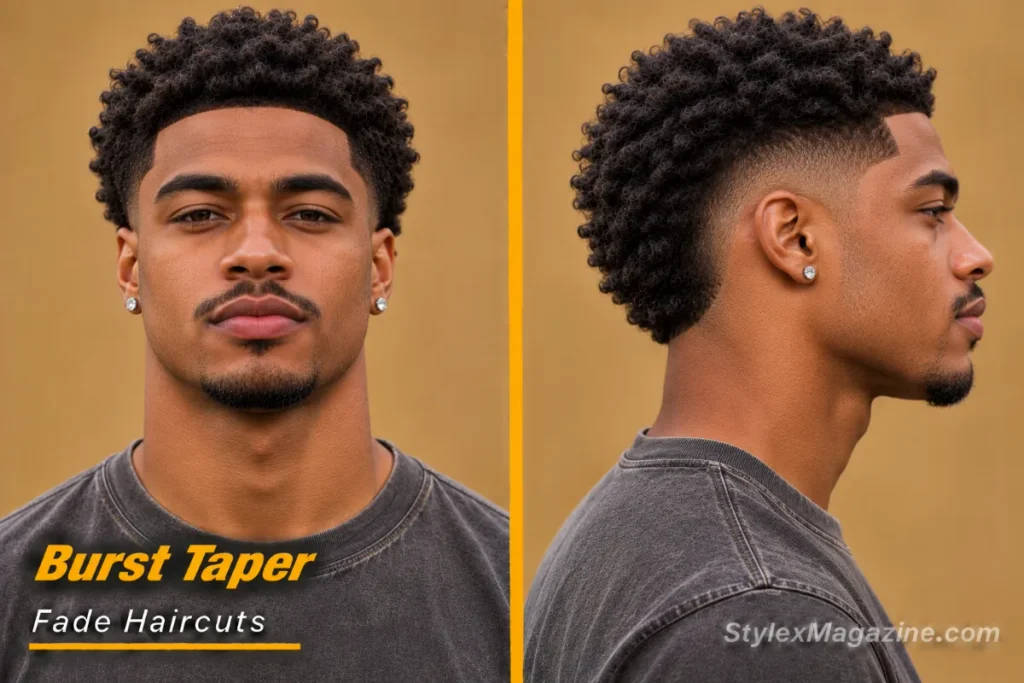
23. Burst Taper. The taper arcs in a semicircle around the ear instead of running straight down, leaving weight at the back. It grows out unevenly and needs frequent upkeep, and it is the boldest cut here. The burst fade guide covers the shape in full.
Tip: Keep the arc low if your temples are receding at all. Taken high, the curve points straight at the recession instead of away from it.
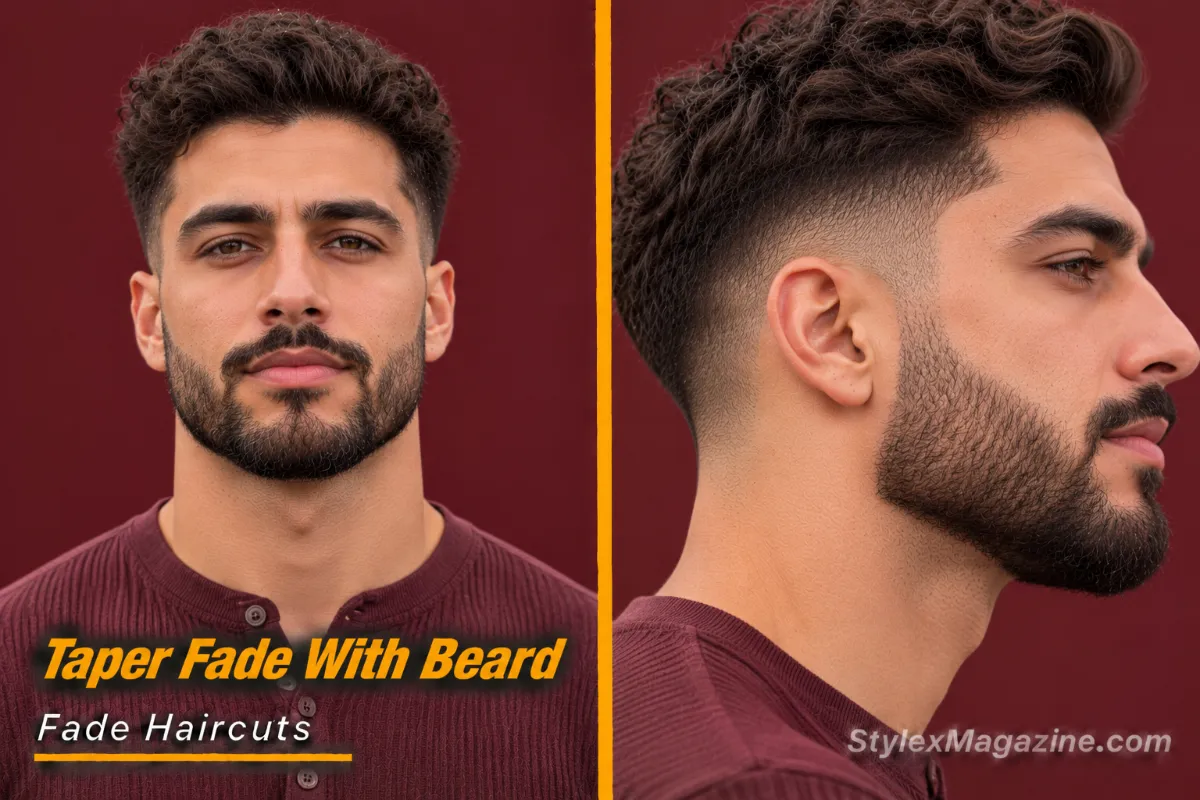
24. Taper Fade With a Beard. The sideburns run into the beard so hair and beard look like one shape rather than two. A low taper connects more naturally than a high one, since the transition stays near the natural hairline.
Tip: Have the beard shaped before the haircut, not after. The barber needs to see its finished line to blend the sideburns into it properly.
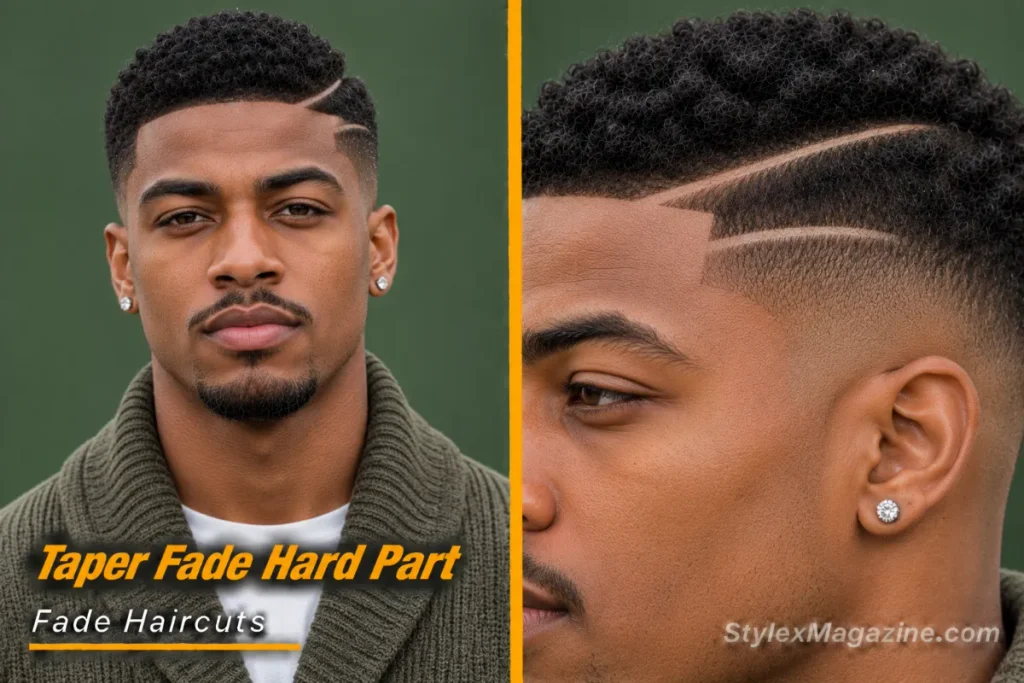
25. Taper Fade With a Hard Part or Design. A razor-cut part or a line etched into the tapered edge. Designs blur within a week or two, so keep the rest plain and treat the detail as short-term.
Tip: Place a hard part along your natural parting. Cut anywhere else, it fights the growth direction and the hair lifts on both sides of the line.
Which Taper Fade Suits Your Hair Type?
| Hair type | What to ask for | Watch for |
|---|---|---|
| Straight | Low or mid taper with texture on top | Every line shows, so blending quality matters |
| Wavy | Low taper with enough length to show the wave | Humidity shifts the shape through the day |
| Curly | Low to mid taper, length kept on top | Curls shrink when dry, so judge length dry |
| Coily | A low taper with a full top | Edges soften faster, so shape-ups matter more |
| Thick or coarse | Mid taper and weight removed above the taper | Say “remove weight,” not “cut it shorter” |
| Fine or thinning | Low taper, textured top | A high taper exposes scalp. See haircuts for thinning hair |
Density and texture are separate traits. Fine hair can still be dense, and coarse hair can be sparse. Your barber should judge both before choosing a guard.
Which Taper Height Flatters Your Face Shape?
Height does more work than any other variable here, though your top style still matters more than the taper itself.
- Oval: most heights work, so pick by the top you want.
- Round: mid to high taper with height on top. Length lifts the face; a low taper with a flat top widens it.
- Square: low to mid taper. Leaving weight at the sides softens a strong jaw instead of sharpening it further.
- Oblong or long: low taper with some side volume and a fringe. Avoid adding height on top.
- Heart: low to mid taper with a side sweep or light fringe to balance a wider forehead.
- Diamond: keep the taper modest and ask for soft layers on top, so the cheekbones are not the only focal point.
If you are unsure of your shape, the haircuts for your face shape guide walks through how to work it out.
Which Taper Fade Fits Your Routine?
The right version is the one that survives your actual week, not the one that looks best on the day you leave the shop.
| Your situation | Start with | Why it works |
|---|---|---|
| Corporate or client-facing work | Low or classic taper, side part on top | No shaved contrast, and it still looks tidy at week four |
| School or university | Low to mid taper with a textured top | Accepted under most dress codes, since it is the extras that get flagged rather than the taper itself |
| Creative or relaxed workplace | Mid taper with a crop or messy fringe | Enough shape to look deliberate without looking severe |
| Weddings and formal events | Mid taper with a slick back or side part | Holds through a long evening and photographs cleanly |
| Gym, sport or shift work | Short top on a low taper | Dries fast, needs no product, stays neat under a cap or helmet |
| Barber visits every five weeks or more | Classic taper, no skin finish | Softens as it grows rather than breaking, so a late booking does not show |
| Under a minute of styling | Low taper with a buzz or crop | The cut carries the look instead of the product |
If a school or workplace code is strict, the parts worth checking are the shaved designs, hard parts, bleached tops and skin finishes. A plain taper on a guard rarely causes a problem.
How Do You Ask for a Taper Fade?
Walking in and saying “just a fade” hands every decision to the barber, and their default is usually shorter and higher than you pictured. Five details prevent that.
- Taper height. Low, mid or high. Point at where the blend should start.
- Shortest length. A guard number, or skin if you want it bare.
- Top length and shape. Inches, plus how you actually style it on a normal weekday.
- Neckline. Tapered, rounded or squared.
- Sideburns and beard. Whether the sideburns blend into facial hair or stop short.
A request you can adapt: “A low taper around the sideburns and neckline, kept natural at the back, with about two inches on top that I wear textured and forward.”
Match the sideburns to the nape. If the taper sits low at the sideburns, it should sit low at the back too. Mismatched heights are the single most common reason a cut looks wrong from behind while looking fine in the mirror, and most men never work out why.
Choose a tapered neckline over a squared one unless you have a reason not to. A squared neckline looks sharp on day one and grows into a visible block by week two. A tapered neckline softens as it grows and buys you an extra week.
Guard numbers are clearer than words like “short,” though they are not standard across brands. Wahl puts a #1 at 1/8 inch (3mm) and a #4 at 1/2 inch (13mm), with #1 to #4 spanning 3mm to 13mm, and says plainly that sizes may differ between brands (Wahl UK). The same guidance puts the bare blade at roughly 0.5mm to 0.8mm, so no guard is not the same as skin. A true skin finish needs a foil shaver or razor on top of the clipper.
Bring a side photo and a back photo. The taper lives where you cannot see it in a front-facing mirror, and so does every mistake.
How Do You Maintain a Taper Fade?
A taper holds its shape longer than a full fade, for the grow-out reason covered earlier. Roughly: a low taper stays sharp three to four weeks, a mid taper two to three, a high or skin taper about two. Rather than counting days, rebook when the neckline turns fuzzy or the sideburns lose their edge.
Between visits, a trimmer pass on the neckline and sideburns buys a week. Leave the blend itself alone, since home corrections on a taper usually take longer to fix than they take to make.
Styling is light work. Towel-dry, add a pre-styler if you want grip, blow it toward the shape you want, then finish with a small amount of product: matte clay or paste for texture, cream for soft hold, a low-shine pomade for parts and slick backs. Use less than feels right. Heavy product flattens the top and hides the clean edges you paid for.
If you want the high-volume blow-dried version of this cut specifically, the blowout taper fade guide covers the drying technique in detail.
FAQ
Is a taper fade suitable at any age?
It is one of the few cuts that genuinely is. The height is what shifts with age and setting rather than the cut itself: teens and twenty-somethings tend toward mid and high tapers, while a low or classic taper sits better with a suit and with greying hair, where high contrast can look severe.
How is a taper fade different from an undercut?
A taper blends gradually from short to long. An undercut does not blend at all; the sides are cut to one short length and the top sits over them with a visible disconnect. A taper looks softer and grows out smoothly, while an undercut gives sharper contrast and a more awkward grow-out.
Can a taper fade be taken to a full fade later, or the other way around?
Going from taper to full fade is easy, since your barber just carries the blend higher up the side. Going back the other way means waiting for the sides to grow level with the top again, usually three to six weeks depending on how high the fade went.
Is a taper fade the same thing as a temple fade?
Not quite, though plenty of shops use the names interchangeably. Temple fade usually describes work concentrated on the corners of the hairline above the temples, with the nape left longer. If the temples are the part you care about, say that directly instead of trusting either label to carry the meaning.
Will a taper fade work if I have a cowlick at the nape?
Yes, but the growth direction has to be checked before the guideline is set. A nape cowlick grows in a spiral, and a taper cut straight across it leaves a patch that lifts no matter what product goes on it. Ask your barber to look at the nape first and cut with the spiral rather than against it.
Why did my taper fade turn out different from the reference photo?
Usually head shape and hair density rather than the barber’s work. The same taper height sits differently on a flat occipital bone than a round one, and dense hair holds contrast that fine hair cannot. Photos also hide the back. Ask your barber what they would adjust on your head next time rather than bringing the same picture again.

Other Articles
40 Best Teen Boy Haircuts for 2026 — Every Hair Type & Face

No Comment! Be the first one.